The Twenty-Pound Pour: Six Zinfandels That Earn Their Place at Dinner
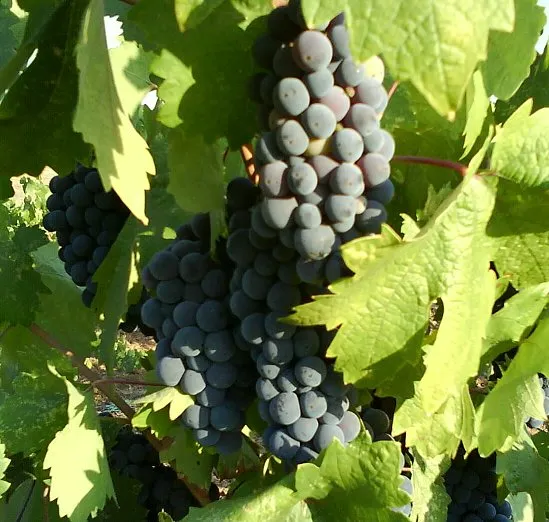
Photo: WmArbaugh, CC BY-SA 4.0, via Wikimedia Commons
Twenty pounds is an awkward price for zinfandel. It is more than a supermarket everyday bottle and less than the cult California names. But it is also the sweet spot where a bottle can be generous, food-friendly and still leave change for the chicken. So we gathered six widely available styles from UK merchants and independents, hid the labels, and tasted them at a kitchen table that had seen better days.
The method was deliberately plain. All bottles were served at 15–16°C. We used the same mismatched glasses. Food was roast chicken with lemon, a tomato and mascarpone pasta, and a slab of mature cheddar. We scored each bottle out of 20: five for crowd-pleasing appeal, five for food-friendliness, five for value, five for character. No points for heavy bottles or tasting-note bingo.
The six bottles
| Bottle style | What it tastes like | Best at the table | Score |
|---|---|---|---|
| Lodi old-vine, 14.5%, £18–£22 | Bramble, black cherry, sweet spice, soft tannin. | Midweek pizza or a Friday takeaway. | 16/20 |
| Sonoma County zinfandel, 14.8%, £20–£24 | Red cherry, pepper, fresh acidity, a savoury edge. | Roast chicken and anything tomato-based. | 17/20 |
| Paso Robles zin, 15%, £19–£23 | Ripe plum, cocoa, plush texture, warming finish. | A weekend blowout with lamb or burgers. | 15/20 |
| Old-vine field blend, 14%, £20–£25 | Herbal, peppery, firm tannin, dark berry fruit. | Lamb, dhal, hard cheese. | 18/20 |
| Premium own-label old vine, 13.5%, £16–£20 | Juicy cherry, dried herbs, light tannin, easy finish. | Midweek supper, fridge-chilled slightly. | 14/20 |
| Independent-shop Primitivo, 14.5%, £20 | Fig, blackberry, cinnamon, rounded acidity. | Tomato pasta and milder curries. | 16/20 |
What the scores do not tell you
The field blend was the table favourite, but it was not the bottle everyone wanted on a Tuesday. Its tannin and savoury edge made it feel like a weekend wine — the sort of thing you open when there is a lamb shoulder in the oven and no particular hurry. The Sonoma County bottle was the most flexible: bright enough for tomato, generous enough for roast chicken, and not so heavy that a second glass felt like a mistake. The Lodi old-vine was the crowd-pleaser, the bottle that disappeared first when the pizza arrived. The Paso Robles zin was the most divisive: some loved its plush, cocoa-tinged fruit; others found it a bit too warm and sweet for the food.
The premium own-label was the value lesson. At the lower end of the £20 bracket, it was fresh and friendly, but it lacked the depth to carry a whole evening. That is not a failure. It is a job description. Buy it for a midweek supper and spend the savings on better cheese.
Midweek versus weekend
For a midweek supper, look for the fresher styles: 13.5–14.5% alcohol, red-fruit flavours, soft tannin and no heavy oak. These are the bottles that work with pasta, chicken, pizza and a bowl of something spicy. Serve them cool — about 15°C — and do not be precious about decanting.
For a weekend blowout, you can afford more richness. A Paso Robles or old-vine field blend with 14.5–15% alcohol will stand up to lamb, steak, a slow-cooked ragù or a cheeseboard. But even here, freshness matters. A high-alcohol zinfandel without acidity tastes like a warm fruit cake after the first glass.
Host-friendly advice
Buy two bottles of the brighter style and one richer bottle for a table of four. That gives people a choice without turning the evening into a tasting seminar. Chill reds for twenty minutes before serving; zinfandel is more refreshing slightly cool. Have a corkscrew, water and a plain dish on the table. And resist the urge to explain the wine. The best compliment a bottle can get is an empty glass and a request for the name.
The £20 zinfandel is not a compromise. It is a sensible place to shop for a dinner party: generous, food-friendly and rarely so precious that you feel guilty opening it on a Saturday. The field blend won our table, but the real winner was the format — six bottles, one table, and no wine-snobbery.