Corkage Without the Clanger: Bringing Zinfandel to a UK Restaurant Table
There is a particular kind of British restaurant moment: the wine list arrives, everyone scans it, and someone quietly says they have a bottle in their bag. In 2026, corkage is no longer a fringe favour. It is a normal part of eating out in the UK, from neighbourhood bistros to the kind of dining rooms where the glassware has its own postcode. But it works best when you treat it as hospitality rather than a loophole.
First, what corkage actually means
Corkage is the fee a restaurant charges to open and serve wine you have brought yourself. In the UK it might be £10 to £35 per bottle, sometimes per table, occasionally waived on quiet midweek nights. Some places allow one bottle per two diners; others say no during December, no on Fridays, or no at all if the menu is a tasting menu. Always ask before you book, not when the waiter is already reaching for the corkscrew.
A simple email or phone call does the job: ‘Do you allow corkage, what do you charge per bottle, and are there any restrictions?’ That last part matters. A restaurant with a serious wine programme may still permit corkage but expect you not to bring something already on its list. Check the online list first. If your bottle is there, order it from them. That is not a rule of law; it is basic manners.
The graceful ask
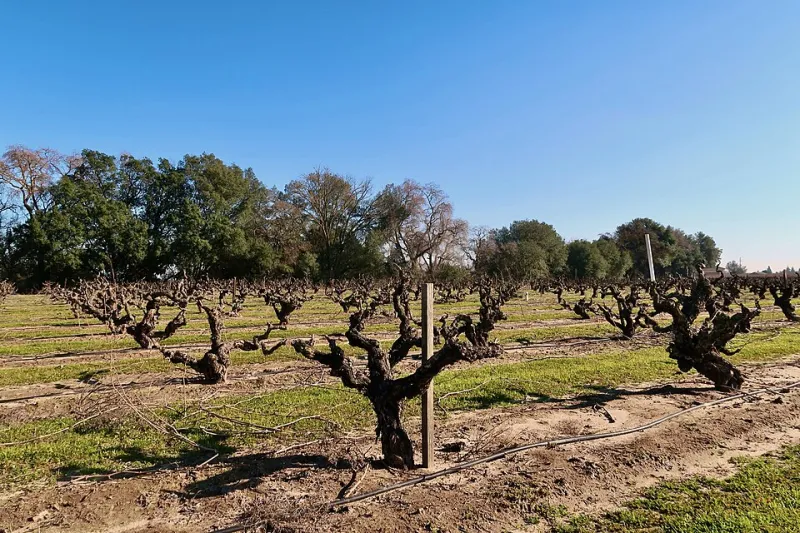
Do not smuggle. Do not produce a bottle from a rucksack with a theatrical flourish. Mention it when you arrive, or better still when you book. Say what you are bringing and why. ‘I have an old-vine zinfandel I would love to drink with the lamb; I am happy to pay corkage. Would that be possible?’ That sentence does more for your evening than any speech about alcohol levels.
Offer the sommelier or manager a taste. Not because they need your approval, but because it turns a transaction into a conversation. Ask how they would serve it: decanted, in which glasses, at what temperature. If the fee feels high, accept it or choose another restaurant. Arguing about corkage at the table is the quickest way to make a good bottle taste like a bad decision.
Which bold reds travel best
Zinfandel is robust, but it is not indestructible. Heat and movement are the enemies. Leave a bottle in a hot car and you will taste the damage: stewed fruit, a dull edge, a wine that feels older than it is. Use an insulated bag, stand the bottle upright for a day or two if it is an older vintage, and do not shake it about on the train. If sediment is likely, ask the restaurant to stand and decant it.
Screwcap or cork, the usual travel rules apply. A young zinfandel can handle a bit of jostling; a 2016 old-vine bottling wants calm. If you are taking a bottle to a restaurant in another city, pack it in the middle of a soft bag, away from the edges. And bring a sound bottle. Restaurants are not obliged to refund corkage because your wine is corked, and you do not want to discover the problem after the first pour.
Pairing without annoying the sommelier
Zinfandel is a broad-shouldered red, so match it with food that can push back. Roast lamb, beef short rib, venison, a proper burger, charcuterie, hard sheep’s cheese, mushroom dishes, aubergine cooked until soft and smoky. It can work with a gently spiced Indian menu if the wine has freshness as well as fruit, but it will flatten a delicate fish starter or a leaf-light salad.
If the menu is seafood-heavy, bring something else or choose a different restaurant. If you are set on zinfandel, order across the menu: a shared lamb dish, a beef main, a plate of aged cheese. Ask the sommelier what they would put with it. They may know the kitchen’s seasoning better than you do, and their suggestion costs nothing. Do not demand off-menu changes. Do not explain the grape’s DNA to a professional who already knows. A short question is better than a long lecture.
The bill, the tip, the exit
Corkage will appear on the bill, and service may be added to the total. If the service is good, tip on the service charge as you would normally. Thank the staff on the way out. If you have had a genuinely good experience, say so; restaurants remember the people who treat corkage as a shared pleasure rather than a tax they have somehow avoided.
In 2026, the best corkage experiences are not about beating the list. They are about bringing a bottle that suits the table, paying a fair fee, and letting the restaurant do what it does well. Bold red, good company, and a little grace: that is the whole gambit.