Beyond the Blush: A UK Shopper’s Field Guide to Zinfandel Labels
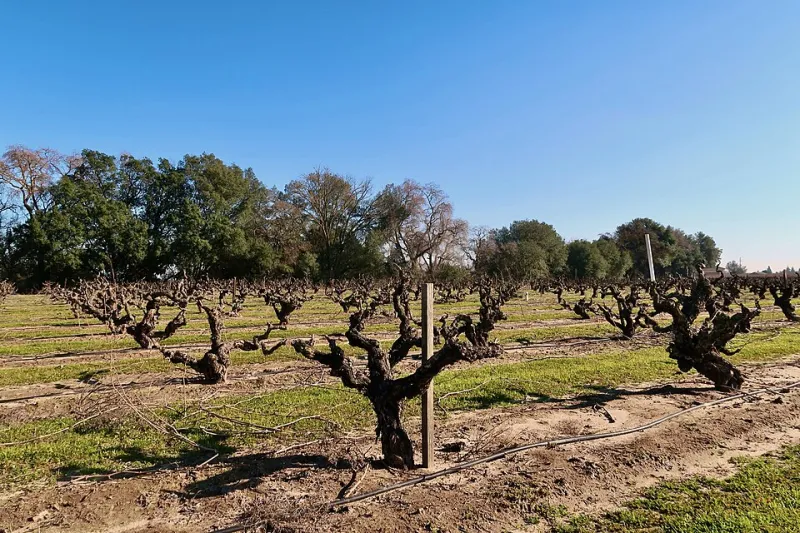
Photo: Anachronist, Public domain, via Wikimedia Commons
Walk into a UK wine shop in November 2026 and you will see the same word doing several different jobs. Zinfandel can mean a rugged California red, a blush-pink supermarket rosé, or — via the grape’s Italian alter ego — a brooding Primitivo from Puglia. Add old vine to the label and the fog thickens. This guide is here to help you read between the lines, spend wisely and put something generous on the table.
Same grape, different passports
The first thing to know is that zinfandel and primitivo are the same grape. So is tribidrag, the Croatian name that appears in the grape’s deeper history. Zinfandel arrived in California in the nineteenth century, where it became a signature variety. Primitivo has a long history in Puglia, the heel of Italy, where the climate is warm and the wines are often plush and dark-fruited.
That California–Puglia connection confuses plenty of UK shoppers. A bottle marked Primitivo is not a different grape; it is a different expression. California zinfandel tends to be brambly, peppery and ripe, sometimes with a sweet-seeming edge from high alcohol. Puglian Primitivo can be rounder and more figgy, with cocoa and dried herbs. Both can be excellent with food. Neither is automatically the better buy.
Old vine: useful clue or marketing poetry?
Old vine is one of the most elastic phrases in the wine trade. In most places it has no strict legal definition, and the age at which a vine becomes old is a matter of producer opinion. A bottle may carry the phrase because the vineyard is genuinely ancient, or because the marketing team liked the sound of it.
That does not make it meaningless. Old vines usually produce fewer grapes, and the wine can have more concentration and savoury depth. But old vine is not a guarantee of quality. Look for supporting clues: a named vineyard, a reputable producer, a region known for zinfandel, and an alcohol level that fits the style you want. A £7 bottle with old vine on the label and no other information deserves a raised eyebrow. A £25 bottle from a producer with a track record deserves a closer look.
Sweetness, alcohol and the White Zin question
Red zinfandel is usually dry, but it can taste sweet because the fruit is ripe and the alcohol is high. That is why tasting notes often use words like jammy, brambly or confected. If you want a drier, more savoury style, look for cooler growing regions, older vines, whole-cluster winemaking or a producer known for restraint. Alcohol is a useful clue: 13.5–14.5% often feels more dinner-friendly, while 15.5% and above can feel powerful and warming.
White Zinfandel is a different beast. It is a rosé made from zinfandel grapes, usually off-dry, with strawberry, watermelon and a soft, sweet edge. Serve it well chilled, not at room temperature. It is not a serious winter red, but it is a useful decoder for anyone who thinks all zinfandel is a big bruiser. If you are curious, try a glass with salty snacks or a spicy takeaway — the sweetness can calm the heat.
What to buy: a shortlist for curious drinkers and hosts
The following bottles are not a league table. They are a set of useful reference points. Availability varies in the UK, so treat names and styles as a shopping brief rather than a guarantee.
For the curious drinker: Cline Old Vine Zinfandel, California
A friendly, widely available introduction to the grape. Expect bramble, black cherry and a soft, generous texture. It is not the most complex zinfandel on the shelf, but it shows the house style clearly. Food pairing: burgers, tomato-based stews, pulled pork.
For the dinner-party host: Seghesio Sonoma County Zinfandel
A step up in structure and polish. Seghesio is a reliable name for Sonoma zinfandel, with blackberry fruit, black pepper and enough tannin to handle a beef pie or a tray of sausages. Food pairing: slow-cooked beef and mushroom pie, mature cheddar, venison.
For the benchmark seeker: Ridge Lytton Springs
Ridge is one of California’s most respected producers, and Lytton Springs is a field blend with zinfandel at its heart. It is not a cheap bottle, but it shows how savoury and structured zinfandel can be. Food pairing: roast lamb, aged hard cheese, mushroom Wellington.
For the Puglia detour: Tormaresca Torcicoda Primitivo
A polished Primitivo from Puglia, with dark plum, fig, cocoa and a warm, rounded finish. It is a good bottle for anyone who wants to understand the Italian side of the family. Food pairing: aubergine parmigiana, lamb ragù, roasted peppers.
For the smoky stew: Feudi di San Marzano Primitivo di Manduria
Manduria is one of Puglia’s most famous Primitivo zones, and the wines are often rich and generous. Look for dark fruit, dried herbs and a savoury edge. Food pairing: smoked paprika stew, tomato and pepper dishes, hard cheese.
For the White Zin sceptic: a supermarket White Zinfandel
If you have never tried it, buy a small bottle and serve it ice-cold with salty nibbles. It is not going to convert everyone, but it explains why the word zinfandel confuses so many shoppers. Think of it as research, not a dinner-party centrepiece.
A label-reading checklist for UK shoppers
Before you put a bottle in your basket, ask four questions. What is the grape name — zinfandel or primitivo? Where is it from — California, Puglia, or somewhere else? What is the alcohol level? And is there any real information about the vineyard or producer? A label that answers those questions is usually a better bet than one that simply shouts old vine in large letters.
Also consider the food you are cooking. A bright, lower-alcohol zinfandel is lovely with roast chicken or pork. A bigger old-vine bottle wants beef, smoked paprika, mushrooms or mature cheese. Primitivo is a natural fit for tomato-based pasta and lamb. White Zinfandel belongs with salty snacks and spicy food, served cold.
The bottom line
Zinfandel is not one wine. It is a family of styles, names and expectations. Once you know that primitivo is the same grape, that old vine is a clue rather than a rule, and that sweetness and alcohol are separate questions, the shelf becomes much less intimidating. Buy with curiosity, serve with generosity, and keep a bottle back for the dark nights.