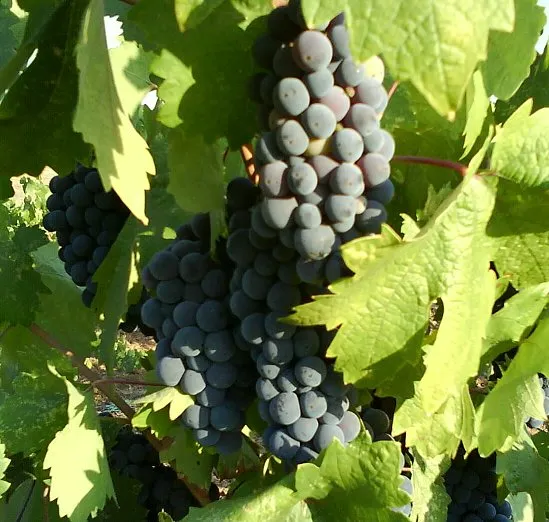
When the Nights Draw In: Old-Vine Zinfandel and the British Winter Plate
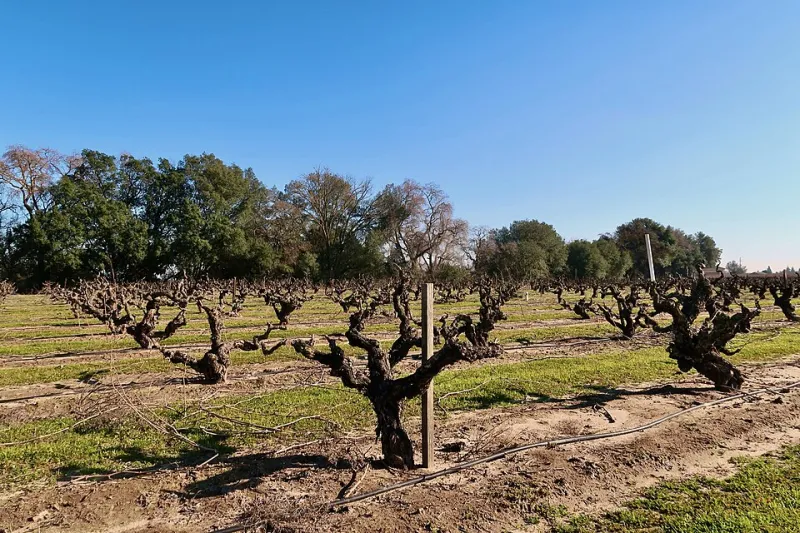
Photo: Randy Caparoso, CC BY-SA 4.0, via Wikimedia Commons
November in Britain has a particular colour: charcoal skies, orange streetlights, the last of the Bonfire Night smoke. It is the season of slow cookers, Sunday braises and the good sort of darkness — the kind that invites a deep glass and a long table. Zinfandel, with its bramble fruit, pepper and generous texture, is made for this stretch of the year. But the trick is not simply to pour the biggest red you can find. Old-vine zinfandel, in particular, has the acidity and tannin to handle the British winter plate without turning the meal into a jammy muddle.
Why old vines earn their place at the winter table
Old vines are not automatically better vines. But when zinfandel is grown on genuinely old, low-yielding plants, something useful happens for winter cooking. The berries are smaller, the skins are thicker and the juice-to-skin ratio shifts. You get concentration without losing freshness, and a structure that can stand up to pastry, root vegetables, smoked paprika and mature cheese.
At Zinfandel & Co. we are wary of treating old vines as a magic word. On a label it is not a regulated guarantee in the way that, say, a grape variety or a region can be. But in the glass, the difference is often real: less simple sweetness, more savoury depth, a dusting of black pepper and dried herbs, and enough acidity to cut through a rich sauce. That is exactly what you want when the clocks go back and the cooking gets slower.
What to expect in the glass
A good old-vine zinfandel tends to show blackberry and bramble, plum, black cherry, cocoa, sweet spice and a peppery lift. The best examples are ripe but not shapeless. Alcohol is often higher than in a Cabernet or Bordeaux blend — 14.5% to 16% is common — so serve it a little cooler than you might think. Around 16–18°C is a sensible target. If the bottle has been sitting by a radiator, give it ten minutes in the fridge. A young, tight wine can benefit from 30–45 minutes in a decanter, but old-vine zinfandel is usually generous enough without a long ceremony.
Use a large glass. The aromas need room, and the higher alcohol needs air. And do not be afraid of leftovers: a glass of zinfandel with a wedge of mature cheddar the next day is one of the small consolations of a British November.
The winter table: pairings that work
Slow-cooked beef and mushroom pie
This is the classic winter match. The tannin in old-vine zinfandel grips the beef, while the wine's acidity lifts the mushrooms and cuts through buttery pastry. Look for a Sonoma or Dry Creek Valley bottle with good pepper and blackberry fruit. If you have made the pie with stout or red wine in the gravy, so much the better — the flavours will meet in the middle.
Smoked paprika stew
A stew with smoked paprika, peppers, tomatoes and butter beans — or beef, if you are feeling generous — loves the smoky, spice-tinged side of zinfandel. Avoid pairing it with a very hot chilli, which can make high-alcohol wines feel harsh. Smoked paprika is the sweet spot: warm and savoury rather than fiery.
Mature cheddar and charcuterie
A proper wedge of mature cheddar, some fennel salami and a few oatcakes is a fine low-effort supper. The crystalline crunch and salty bite of aged cheddar soften the wine's tannin, while the wine's fruit stops the cheese from tasting too dry. This is also the pairing to remember when guests arrive earlier than expected.
Cider-braised pork belly with Bramley apples
Pork belly needs acidity, and old-vine zinfandel has it. The apple in the dish echoes the wine's bramble-and-plum fruit without making everything taste sweet. Add crackling, roast parsnips and a spoonful of mustard. It is a Sunday lunch that feels both generous and slightly unruly, which is the right spirit for this grape.
Venison sausages and root vegetable mash
Earthy, gamey flavours and old-vine zinfandel get on well. The wine's dried-herb note picks up the herbs in the sausages, and its weight matches the mash. If you can find a bottle with a little whole-cluster character or a field-blend edge, this is the moment to open it.
Mushroom Wellington
For a vegetarian centrepiece, mushroom Wellington can be tricky with big reds: too much tannin and the whole thing tastes like pencil shavings. Old-vine zinfandel works because it brings fruit and acidity alongside the structure. Add chestnuts, thyme and a little truffle oil if you like, and serve the wine slightly cool.
A vineyard story worth telling
In Dry Creek Valley, Sonoma, some zinfandel blocks are well over a century old. The vines are head-trained and often dry-farmed, standing like gnarled little trees in the November fog. Many were planted by families who sold grapes rather than bottled wine, and some survived Prohibition because the fruit was still useful for home winemaking. The yields are tiny, but the grapes that do ripen carry remarkable depth.
That history explains why old-vine zinfandel handles rich food so well. These are not vines built for maximum output; they are vines that have learned to ration their energy. The resulting wines have concentration and a savoury undertow, not just sweetness. When you open a bottle with a bowl of beef pie, you are tasting a long conversation between old vines, warm spice and a cold night.
Practical notes for hosts
Serve zinfandel at 16–18°C, not at central-heating room temperature. Decant young bottles for half an hour if they feel tight; older bottles usually need less. And do not overfill the glass. A generous pour is welcome, but a full glass is a missed opportunity.
In the UK, look to independent merchants, Majestic, Waitrose and specialist online shops for old-vine examples. Prices vary widely, but a good bottle for the winter table often sits between £15 and £30. Above that, you are usually paying for vineyard designation, older vines or a particularly thoughtful producer.
Winter food is not a test of endurance. It is a chance to gather people around a table and open something bold enough to match the cooking. Old-vine zinfandel, with its dark fruit, pepper and firm but generous grip, is one of the best companions the British winter table has. Dark nights, deep glasses, good company — that is the whole idea.