Tribidrag’s Long Road to Soho: Zinfandel’s Croatian Story in UK Wine Bars
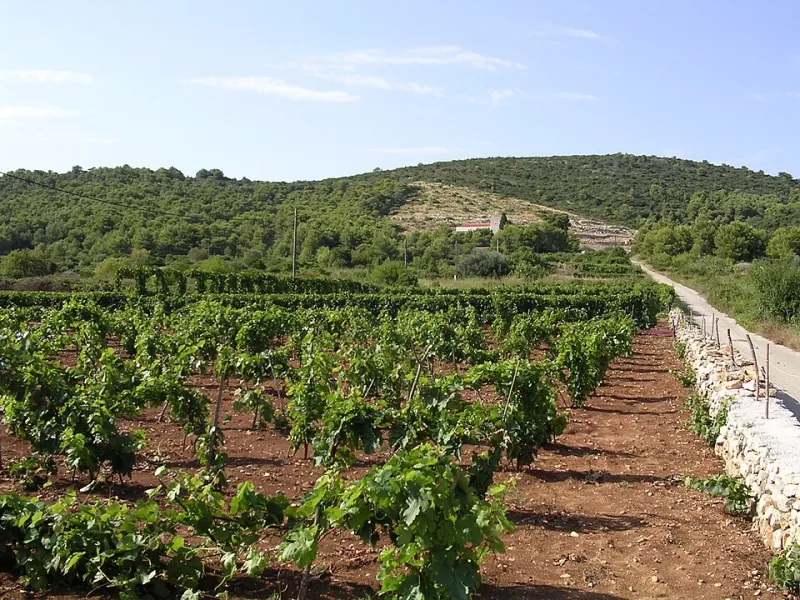
Photo: Nikola Škorić, CC BY-SA 2.5, via Wikimedia Commons
On a damp Tuesday in a London wine bar, a glass of something dark and savoury lands on the counter. The label says Tribidrag. The drinker next to you says it tastes like zinfandel. They are right, and they are also part of a story that runs from the Dalmatian coast to California, by way of a nursery catalogue, a DNA test, and a growing number of UK wine bars that enjoy a good origin story.
A grape with several passports
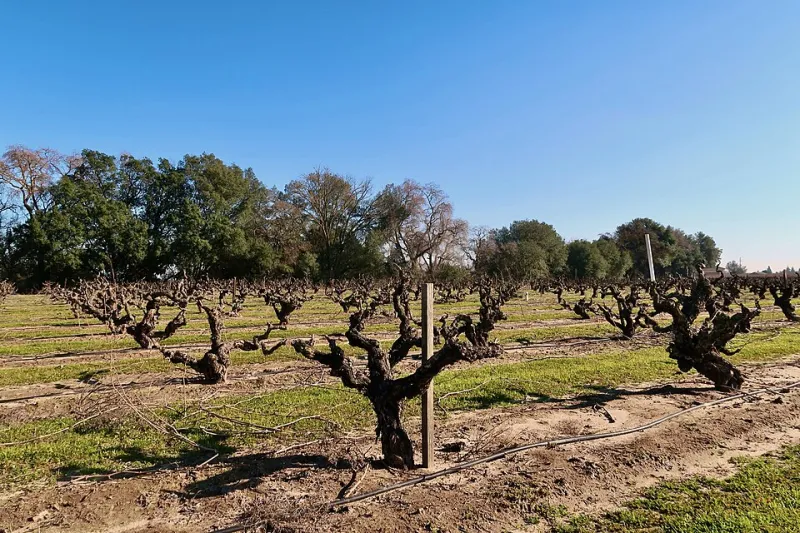
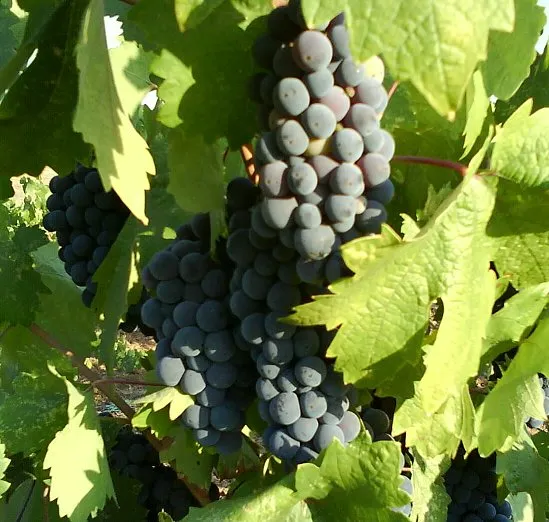
Tribidrag is one of the oldest names for the grape most of the world calls zinfandel. In Croatia it also appears as Crljenak Kaštelanski, a name tied to the Kaštela region near Split. In Italy the same grape is Primitivo. For decades these names lived separate lives, treated as distinct varieties with different reputations and different price tags.
That changed in the early 2000s, when DNA profiling confirmed what the names had been hinting at: Tribidrag, Crljenak Kaštelanski, Primitivo and Zinfandel are the same grape. The Croatian connection is not a romantic footnote. It is the vine’s home territory, or at least one of its oldest documented homes, and it explains why a Croatian Tribidrag can feel at once familiar and strange to anyone who knows Californian zinfandel.
There is a family tree to untangle, too. Plavac Mali, the rugged red of Dalmatia, is a cross between Tribidrag and Dobričić. So Croatian wine lovers have been drinking relatives of zinfandel for generations, often without using the name. By 2026, more UK drinkers are starting to join the dots.
Why UK wine bars are the right classroom
Britain is a good place to learn this story because our wine bars are curious. A good bar can pour a Croatian Tribidrag by the glass next to a California zinfandel and let the customer taste the difference without buying two whole bottles. Independent merchants from London to Manchester, Bristol to Edinburgh, are increasingly willing to bring in small parcels from Dalmatia. Dalmatian restaurants and Croatian-focused importers do the rest.
The setting matters. Zinfandel is a bold red with a big personality, and it can be hard to sell as a history lesson. In a wine bar, the lesson arrives sideways: a glass, a plate of cured meat, a conversation about why this wine smells of figs and sage rather than blackberry jam. The bar does not need to lecture. It just needs to pour.
From Soho to Shoreditch, from Leeds to Glasgow, the UK’s better wine bars have become informal embassies for grapes with complicated passports. Tribidrag fits that mood perfectly. It is familiar enough to reassure a zinfandel drinker and different enough to make the evening interesting.
Tasting Tribidrag next to zinfandel
Croatian Tribidrag is not a single style. Vintage, site, oak and winemaking all matter. But broadly, it often shows red cherry and cranberry rather than the syrupy blackberry of a warm-climate zinfandel. There is dried fig, a herbal note that can recall sage or lavender, and an earthy, savoury undertow. The tannins can be firm and the acidity fresh, which makes it feel more dinner-table than cocktail-hour.
Californian zinfandel, especially old-vine bottlings, tends to be riper and plusher. Think blackberry jam, black pepper, sweet spice and a warm, rounded finish. Alcohol is often higher. Croatian Tribidrag can also reach generous ripeness, but the best examples keep a cool, herbal edge that makes them easier to drink with food.
That difference is the point. Put a glass of each side by side and you are not looking for a winner. You are tasting the same grape in different accents: Dalmatian restraint versus California sunshine, old-world savouriness versus new-world generosity.
What to eat with it
Tribidrag loves the food of its homeland. Lamb, grilled sausages, pašticada, hard sheep’s cheese, black risotto, aubergine and peppers. The wine’s acidity and tannin can handle rich meat and olive oil, and its herbal note flatters anything cooked over fire. Zinfandel, by contrast, is happy with a burger, barbecued ribs, braised beef or a slab of mature cheddar.
In a UK wine bar, order a plate of charcuterie and a hard cheese, then ask for the Tribidrag. If the bar has a Californian zinfandel open, take a glass of that too. The comparison costs little and teaches more than any label ever will.
Where to explore in the UK
Start with independent wine merchants and ask for Croatian Tribidrag or Crljenak Kaštelanski by name. Expect to pay roughly £20 to £45 for a serious bottle, though small-production wines can go higher. Online specialists and Dalmatian importers are worth bookmarking. Wine bars with a strong by-the-glass list are the easiest entry point, especially those that already champion Croatian or Adriatic wines.
Do not confuse Tribidrag with Plavac Mali. They are related, but they are not the same wine. If a label says Plavac Mali, you are drinking the grape’s rugged cousin, not the grape itself. Both are worth your time; just know which story you are following.
And if you find yourself in Dalmatia, the Kaštela region and the island of Hvar are good places to continue the education. In the UK, the classroom is closer than you think: a wine bar, two glasses, and someone behind the counter who knows why the label says Tribidrag.
The story in the glass
Zinfandel’s Croatian roots are a reminder that grapes travel, names change, and wine is never just a drink. It is a trail of people, ports, nurseries and family vines. The next time you order a bold red in a UK wine bar, ask where it comes from. If the answer is Tribidrag, you have found the beginning of a very long road.