Spice, Meet Structure: Why Zinfandel Belongs on the Curry Table

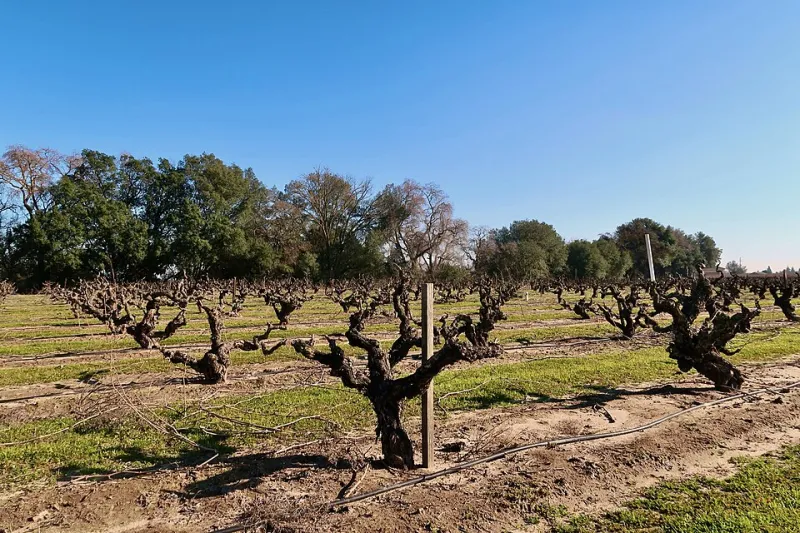
Photo: Mutney, CC BY 4.0, via Wikimedia Commons
Friday night, the takeaway app is open, and someone has ordered a lamb rogan josh and a chicken tikka masala. The default move is lager. It is a good move. But it is not the only move. A well-chosen zinfandel can be one of the most generous partners a British Indian restaurant menu has — provided you pick for structure rather than sheer horsepower.
This is not a plea for the hottest curry and the strongest wine. That pairing is a shouting match. It is a case for zinfandel as a bold red with enough fruit, acidity and gentle tannin to handle spice, tomato, char and cream — if you choose the right bottle and serve it at the right temperature.
The chilli-and-alcohol question, head-on
Capsaicin, the compound that makes chilli feel hot, is not washed away by alcohol. In fact, high alcohol tends to amplify the burn. A 15.5% zinfandel with jammy fruit and charry oak can make a vindaloo taste like a small bonfire. The same grape at 13.5–14.5%, with bright acidity and a peppery edge, can calm the whole table down.
So the first rule is not red with curry. It is moderate alcohol, good acidity, soft tannin. Look for red plum and cherry rather than raisined fruit, black pepper rather than vanilla oak, and a finish that feels fresh rather than hot. If the label shouts old vine and 15.5%, it may still be delicious — just save it for a steak.
A little sweetness can help with heat, which is why slightly off-dry styles can work. But too much sweetness and the food starts to taste sour. The sweet spot is a zinfandel that feels ripe without being syrupy.
Styles that flatter rather than fight
Bright, medium-bodied zinfandel is the safest all-rounder. Think red cherry, bramble, dried herbs and a twist of pepper. It has enough fruit for tomato-based curries and enough acidity for creamy ones. Old-vine field blends can be excellent too: the mixed-black-grape complexity gives a savoury, peppery note that loves lamb and earthy dhal. Primitivo, the same grape grown in Puglia, is often rounder and more figgy; it can be a good choice for milder, tomato-rich dishes.
Avoid, at least on curry night, the most oak-heavy and alcoholic examples. They can taste sweet and smoky in a way that makes chilli feel sharper. If you love that style, serve it with a plain grilled lamb chop instead.
Matching the menu
Lamb rogan josh is a natural fit. The tomato, aromatic spices and moderate heat suit a zinfandel with red plum, pepper and a firm but not aggressive tannin. Chicken tikka masala, with its creamy, slightly sweet sauce, wants a brighter bottle — something with fresh acidity and a touch of sweetness, not a tannic monster. Paneer tikka is trickier because of the char and dairy; a lighter zinfandel or even a zinfandel rosé can work, but keep the red version fresh and cool.
For a vindaloo or a hot jalfrezi, lower alcohol is your friend. Serve the wine cool and let the food lead. Dhal, chana masala and other pulse dishes are where old-vine zinfandel earns its keep: the earthy, savoury fruit matches the lentils and spice. Biryani is a layered dish, so a medium-bodied zin with good acidity will handle the rice, meat and whole spices without overwhelming them.
And do not forget the sides. Raita, mango chutney, lime pickle and naan all change the picture. A cool, juicy zinfandel is more flexible across the whole table than a massive one.
Serving temperatures that save the night
Serve zinfandel at around 15–16°C. That is cooler than most people serve red at home. Twenty minutes in the fridge before opening is usually enough; if the bottle has been sitting by a radiator, give it thirty. A slight chill keeps the fruit fresh and stops the alcohol from dominating. Use a decent-sized glass but not a bowl the size of a hat. And give the bottle a quick pour into a jug and back if it smells tight — no need for a decanter and a ceremony.
The host's cheat sheet
- Buy two styles: one bright, lower-alcohol zinfandel for the spicy dishes, one richer old-vine bottle for lamb and dhal.
- Check the label for 13.5–14.5% alcohol where possible. If it is higher, chill it a little more and serve smaller glasses.
- Order one milder dish alongside the hot ones. It gives the wine a place to land.
- Put a jug of water and a bowl of raita on the table. They are part of the pairing, not an afterthought.
- Keep a backup white or rosé in the fridge. Curry night is not the moment for wine purism.
- Do not over-decant. Zinfandel can lose its bounce if it sits around for hours.
- Remember that the best bottle is the one that keeps the table talking. Curry night is convivial by nature; the wine should join in, not referee.
The takeaway table is one of the most democratic places in British food. Zinfandel belongs there — not as a stunt, but as a bold red with enough generosity to meet spice, tomato and char on equal terms. Choose for freshness, chill it slightly, and let the poppadoms do the rest.