Sun-Chasers in the Shires: The Improbable Search for an English Zinfandel
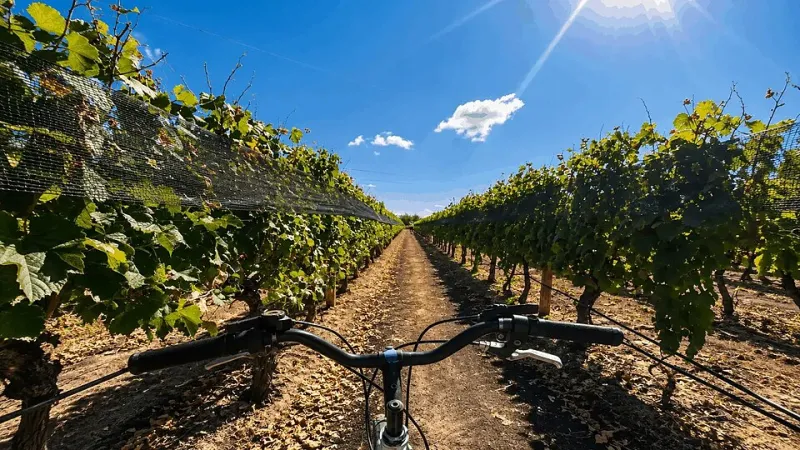
Photo: MendozaGuide, CC BY 4.0, via Wikimedia Commons
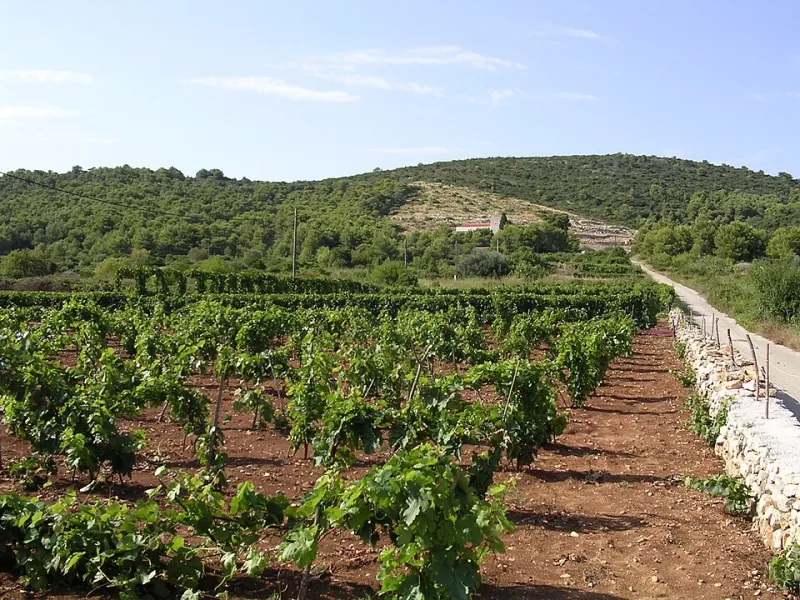
Zinfandel has always looked like a grape that belongs somewhere else. It likes sun on its back, a long growing season and enough warmth to push its famously uneven bunches to ripeness. In California it became a signature; in Puglia it answers to Primitivo; in Croatia its older name is Tribidrag. England, with its cool summers and autumn rain, is not the first place most growers would choose. Yet in 2026, a small number of British vineyards are giving it a go — not as a novelty for the tasting room, but as a long-term bet on a changing climate.
The trials are scattered, small and deliberately cautious. You will not find English zinfandel on supermarket shelves, and no one is suggesting that Kent is about to rival Sonoma. What is happening is more interesting than hype: a few growers are asking whether a grape with a reputation for heat and heft can be coaxed into something fresher, lighter and genuinely British.
A grape with a California swagger — and a Croatian passport
Zinfandel's story is one of migration. It arrived in California in the nineteenth century, became tangled up with the state's immigrant wine culture, and later turned out to be the same grape as Croatia's Tribidrag and Italy's Primitivo. That history matters because it shows the variety is adaptable. It is not a single style; it is a grape that changes shape depending on where it is grown and how it is handled.
In the UK, the challenge is not simply cold. England can ripen many grapes, but zinfandel is a late-season variety with a tendency to set uneven crops. Some berries on a bunch may be ready while others are still green. In a warm, dry climate that unevenness can be managed. In a British autumn, it becomes a race against rain, rot and fading daylight.
The British problem is not cold, exactly
Ask a UK grower about zinfandel and the conversation quickly turns to season length. It is not that the vine cannot survive a British winter; it is that the fruit needs enough warm days and dry autumn weather to reach both sugar ripeness and physiological ripeness. Picking on sugar alone can produce a wine that tastes green or hollow, with harsh acidity and herbal notes that feel unripe rather than refreshing.
Site selection is everything. The most promising trials sit on south-facing slopes with good drainage and shelter from wind. Some use polytunnels or temporary covers to extend the season and keep rain off the fruit. Others are testing earlier-ripening clones and different rootstocks, looking for looser bunches that resist botrytis and fruit that can be picked before the weather turns.
Climate change is part of the backdrop, but it is not a simple gift. Warmer summers may help ripening, yet the same shift can bring more erratic weather: spring frosts, summer heat spikes, and damp autumns that arrive just when zinfandel needs dry conditions. The growers involved are not planting on optimism alone. They are planting on data, patience and a willingness to lose a crop or two while they learn.
What the pioneers are actually learning
At this stage, the most useful information is not about style but about viticulture. How much crop can the vines carry without losing concentration? How late can the fruit hang before rot becomes unavoidable? Which clones ripen most evenly? Does a canopy that suits Pinot Noir also suit a grape with much bigger bunches and a more sprawling habit?
The answers are still being written. What seems clear is that English zinfandel, if it works, will not be a California lookalike. It is unlikely to be jammy or high in alcohol. A more plausible result is a paler, fresher red with crunchy red fruit, a peppery edge and acidity that keeps it lively at the table. Think less about a blockbuster and more about a cool-climate red with a bit of grit.
That may sound underwhelming to drinkers who know zinfandel as a big, generous pour. But it is exactly why the experiment is worth watching. A grape does not have to reproduce its most famous style to be interesting. It only has to make a wine that feels coherent, delicious and worth the trouble.
Could it earn a place at the British table?
If English zinfandel does reach a commercial bottle, it will probably arrive in tiny quantities and at a specialist price. It will not be a weekday quaffer. A fresher, peppery style could work well with roast lamb, bangers and mash, a proper pie or a plate of hard British cheese. It could also appeal to drinkers who like the idea of a bold red but want something lighter on its feet.
The bigger question is expectation. Zinfandel comes with baggage: drinkers expect generosity, sweetness of fruit and a certain swagger. A British version may be more restrained, and that could be a hard sell unless the label and the story are clear. The growers who succeed will need to explain what they have made rather than promise a California experience in a Kentish bottle.
The long game in the vines
For now, English zinfandel remains a test rather than a category. It sits alongside other climate-change experiments in UK vineyards — a sign that growers are thinking beyond the familiar varieties that built the modern English wine industry. That is healthy. Wine regions are not static, and the grapes that define them can shift over decades.
Whether zinfandel becomes a footnote or a genuine British speciality is impossible to say in 2026. The next few vintages will tell us more than any press release. But the experiment already has a certain logic: if the climate is changing, the vineyard should change with it. And if a sun-loving grape can find a home in the shires, it will not be because England has become California. It will be because a few stubborn growers have learned how to make something new.