Pour Once, Please Everyone: A Host’s Guide to Zinfandel for Eight
Photo: IPPA photographer, CC BY 4.0, via Wikimedia Commons
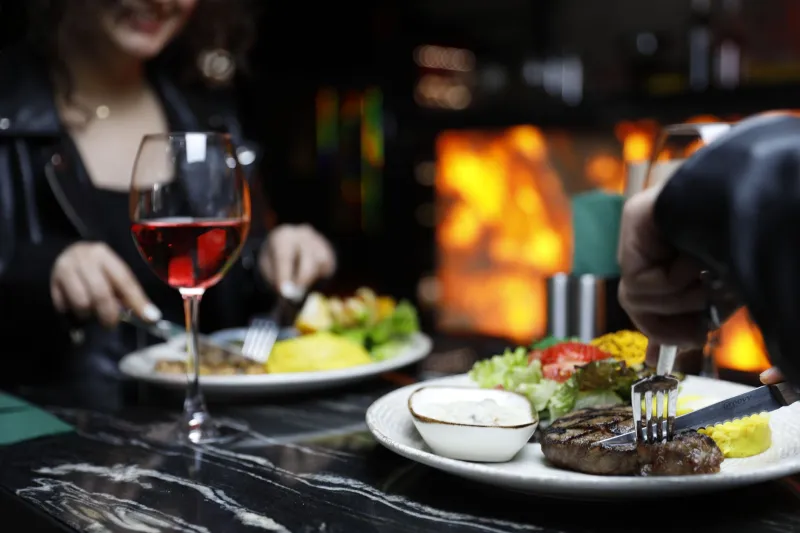
The phrase ‘one bottle, eight guests’ is best read as a principle rather than a shopping list. Eight people sharing a single 75cl bottle would be a magic trick, not a dinner party. What we are really talking about is one wine choice: a single zinfandel, bought in sensible quantity, that can move from the first handful of smoked almonds to the last crumb of cheddar without anyone wishing they had opened something else. It is the host’s version of a one-pot supper — less juggling, more sitting down.
Why One Wine Usually Wins
Wine flights have their place, usually at a tasting where spittoons are provided and nobody has to carve. At a domestic table for eight, three open bottles and a running commentary can make guests feel as if they are being examined. A single red keeps the conversation on the food and the people. It also solves the practical problem of fridge space, decanters and the friend who wants to know which wine goes with the parsnips.
Zinfandel is a good candidate because it has fruit without being a fruit bomb, and enough acidity to handle tomato, mushrooms, roast lamb or a nut roast. The trick is to avoid the extremes: no 16% alcohol blockbuster that leaves everyone sleepy by pudding; no thin, weedy version that disappears under gravy.
The Profile to Hunt
Look for a zinfandel in the 13.5–14.5% range, or the upper end of that if the label promises balance rather than brute force. You want blackberry and plum, a little black pepper or dried herb, and a savoury edge — think bay leaf, cocoa nib or a whisper of leather. Oak should be a seasoning, not the main course. Old-vine bottlings can be lovely, but for a mixed table a younger, mid-weight wine is often more flexible.
UK shoppers have more choice than they sometimes think: California zinfandel is the obvious route, but Primitivo from Puglia can offer a similar bold-red shape at a friendlier price. Do not get hung up on matching a grape name to a region; taste for freshness and length. If the back label talks only about jam and vanilla, proceed with caution.
Temperature, Glass, and the Decanting Question
Serve it cool-ish: around 16–18°C. A warm dining room can push a red into soupy territory, so if the bottle has been sitting by the radiator, give it 15–20 minutes in the fridge before pouring. That sounds fussy; it is actually the single easiest upgrade to a bold red.
Glassware need not be a test. A medium-to-large bowl — a universal wine glass or a modest Bordeaux shape — gives the wine room to breathe and keeps the aroma near the nose rather than shouting across the table. Water glasses will do in an emergency, but avoid tiny thimbles.
Decanting is optional. If the wine is young and tight, pour it into a jug half an hour before guests arrive, or simply open it and pour a small glass to get air into the bottle. If it is an older, softer old-vine zinfandel, treat it gently: open at the last minute and pour. The point is not ritual; it is making the first glass taste as good as the last.
A Menu That Meets It Halfway
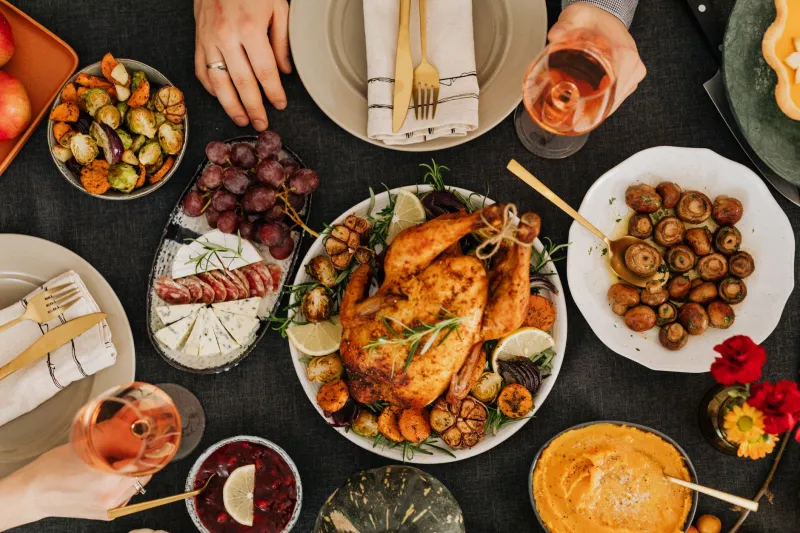
Start with things that flatter a bold red without demanding a second bottle: olives, cured meats, roasted peppers, salted almonds and a few squares of dark chocolate for the brave. For a vegetarian table, a mushroom and lentil wellington or a roast celeriac with lentils and herbs will work if the wine has acidity. For a roast, lamb or beef are natural, but a mustardy roast chicken is not a mismatch — especially if you skip the sweet glaze.
Finish with cheese that is savoury rather than super-sweet: mature cheddar, a washed-rind soft cheese or a slice of comté. Blue cheese can work, but keep it mild and let the wine’s fruit do the talking. And put out plenty of water. A generous red is a marathon, not a sprint.
The Shopping Checklist
Buy for the table, not the label. For eight guests, three bottles is a sane baseline if wine is the main drink with dinner; four if the evening is long or the glasses are generous. Chill one bottle slightly, keep the rest at room temperature, and have a spare in the cupboard.
- Under £12: a juicy, uncomplicated Primitivo or California zinfandel for a casual table. Look for freshness, not oak.
- £15–£25: the sweet spot for balance, savoury depth and enough structure for roast or mushrooms. Independent wine shops are especially good here.
- £25–£35: an old-vine or single-vineyard bottle for a special table. Decant briefly if young; pour gently if mature.
- Always: check the abv, avoid wines described as ‘off-dry’ unless you want sweetness with the roast, and buy from a shop that will let you return a corked bottle without a debate.
Keep It a Dinner, Not a Masterclass
The host’s job is not to deliver a lecture on brix and barrel regimes. Pour the first glass, say what it is in one sentence — ‘a bold, peppery red from California’ — and move on. If someone asks more, tell them. If nobody does, pass the potatoes. The best wine choice at a dinner party is the one that lets you sit down.