Ripe, Round and Misunderstood: Why ‘Jammy’ Is the Wrong Word for Zinfandel
Photo: State Government Photographer, CC0, via Wikimedia Commons
There is a particular look that crosses a drinker’s face when you pour them a zinfandel. It is half curiosity, half suspicion. They take a sniff, then a sip, then say the word: jammy. Sometimes it is offered as a compliment. More often it is a polite way of saying they have already decided this is not for them. And once a grape has been labelled, it is remarkably hard to un-label it.
Zinfandel has suffered this fate more than most. Its generous, sun-filled fruit gets flattened into a single adjective, as though every bottle were the same. It is not. A ripe zinfandel from a warm patch of California is a very different creature from a sleeker, lifted example, and both can be a world away from the dense, sweet-seeming style that gave the grape its reputation. The word is doing far too much work.
What People Actually Mean by ‘Jammy’
When someone calls a wine jammy, they are usually reaching for one of three things: the wine smells of cooked fruit rather than fresh; it feels thick or syrupy in the mouth; or it tastes sweet, even though the label says it is dry. Sometimes all three at once. That is a fair observation. What is less fair is treating it as an inherent property of zinfandel rather than a consequence of how the wine was made, grown and served.
It is worth remembering that zinfandel is almost always fermented dry. Very few table wines made from the grape carry meaningful residual sugar. If a wine seems sweet, the sensation is often coming from somewhere else — ripe fruit, glycerol, alcohol, oak, or simply a serving temperature that is flattering the wrong things. ‘Jammy’ describes a perception. It does not necessarily describe sugar.
Ripe Is Not the Same as Sweet
Ripe fruit is one of the great pleasures of wine. A blackberry picked at the height of summer is sweet, yes, but it is also tangy, fragrant and alive. A blackberry stewed down with sugar is something else entirely. The distinction matters, because zinfandel at its best is much closer to the first than the second.
Good zinfandel has bramble, black cherry, a dusty edge, sometimes a lift of pepper or a savoury note underneath. It can be opulent without being cloying, and generous without being exhausting. When it veers into cooked-fruit territory, that is often a sign of fruit picked very late, or a vintage that baked, or a winemaking choice aimed at a particular style. Sometimes it works beautifully; sometimes it tips over. But it is a style decision, not a grape variety’s destiny.
The Alcohol Alibi
Zinfandel can carry high alcohol, and high alcohol can read as sweetness. It coats the mouth, adds weight, and can leave a faintly warming finish that some drinkers interpret as sugar. In a wine with low acidity, that effect becomes even stronger. The result is a glass that feels broad and sweet-seeming, even when it is technically bone dry.
This is where service makes a real difference. Serve a bold zinfandel too warm — say, at the temperature of a busy dining room in November — and the alcohol leaps forward, the fruit slackens, and the whole thing starts to feel like a fruit compote. Serve it a touch cooler, around 16–17°C, and the same wine tightens up. The fruit sharpens, the structure returns, and the word ‘jammy’ suddenly seems much less obvious.
Oak, Temperature and Other Thieves of Nuance
Oak can also play its part. Vanilla, coconut, sweet spice and caramel notes from barrel ageing can nudge a wine in a confectionary direction, especially when the fruit is already ripe. A little oak can frame a bold red beautifully. Too much can make it taste like dessert before the main course has arrived.
None of this is an argument against generous wines. It is an argument for paying attention. Zinfandel’s reputation has been built on a handful of heavily marketed styles, and that has made life easy for anyone who wants to dismiss it. The grape is more interesting than its caricature. It can be briary and bright. It can be plush but savoury. It can be the sort of red that makes a cold-weather supper feel like an occasion.
Words Worth Borrowing
If we are going to talk about zinfandel properly, we need a better vocabulary. Instead of ‘jammy’, try brambly, briary, sun-filled, plush, generous, kirsch-like, blackberry compote (if that is genuinely what you taste), warm-climate, opulent, dusty, peppery, or sweet-seeming but dry. These words are more precise, and they leave room for the wine to be good.
They also make conversation at the table more enjoyable. ‘Jammy’ closes a discussion. ‘Brambly, with a warm finish and a dusty edge’ opens one. The second description tells you what to eat with it.
Getting It to the Table
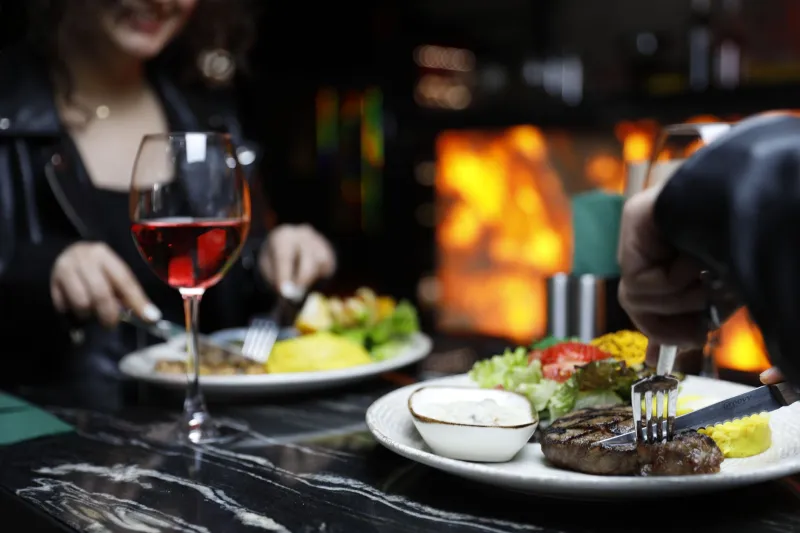
Bold reds like zinfandel thrive alongside food that can match their generosity. Salt and fat are your friends here: roast lamb with rosemary, a properly charred steak, slow-cooked beef short ribs, a generous slice of mature cheddar. The fat softens the tannin and the salt lifts the fruit. Tomato-based stews work well too, especially with a bit of chilli and oregano in the mix.
What you want to avoid is a dish that is simultaneously very sweet and very rich; the wine will start to feel like an echo rather than a partner. A little acidity in the food — a squeeze of lemon, a spoonful of vinegar — does wonders for keeping a big red on its toes. And do not be afraid to chill the bottle slightly before serving. Ten minutes in the fridge can rescue a wine that was heading towards the jam jar.
A Last Word
Zinfandel does not need defending from its own fruit. It needs drinkers who are willing to look past the shorthand. The grape can be bold, ripe and deeply pleasurable, and it can still be balanced, savoury and food-friendly. Calling it jammy is not wrong because the wine is never ripe or rich. It is wrong because it stops the sentence too early. There is always more to say — and usually another glass to pour while you say it.