Salt, Vinegar, Vineyard: Putting Bold Reds Through a Friday Chippy Tea
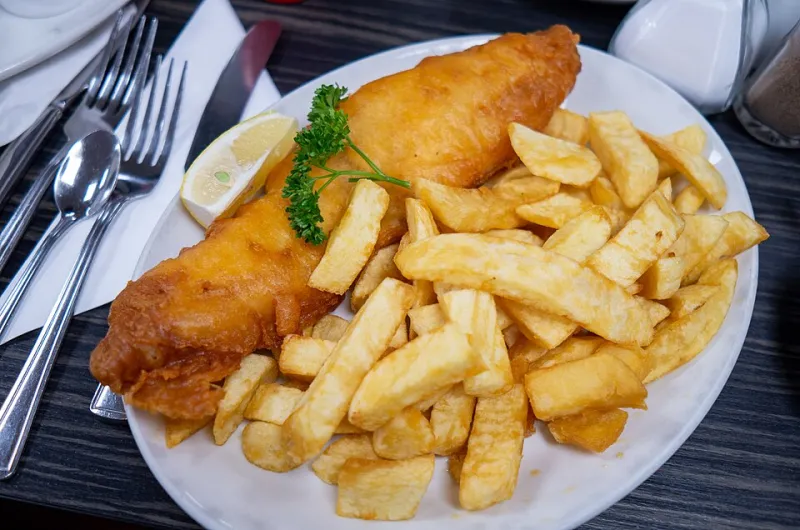
Photo: Matthias Meckel, CC BY-SA 4.0, via Wikimedia Commons
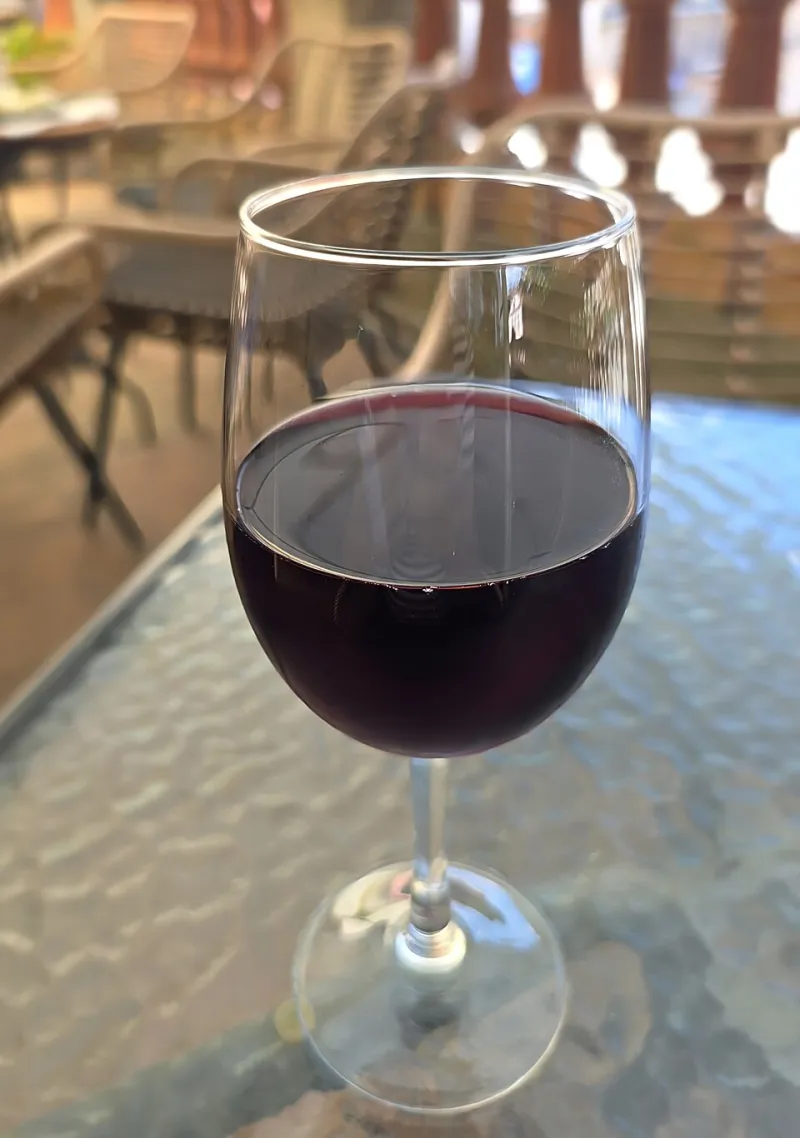
There is a particular kind of British optimism in opening a bottle of red next to a paper-wrapped cod and chips. It sits somewhere between “it’ll be fine” and “we’ve earned this”. And do you know what? Sometimes it is fine. More than fine, in fact—provided you pick the bottle with the chippy tea in mind rather than the other way round.
Fish and chips is not a shy supper. There is salt, obviously. There is malt vinegar sharp enough to make you blink. There is hot batter, floury potato, maybe mushy peas, maybe a pickled onion, maybe a pot of curry sauce doing its own thing in the corner. A big, oaky red can easily turn this into a shouting match. But a bold red with freshness and restraint? That can be lovely.
What Fish and Chips Does to Red Wine
The first thing to understand is that vinegar is not the natural friend of tannin. A heavily tannic red—think young Cabernet, a muscular Malbec, a blockbuster Shiraz—can feel dry and grippy against that sharpness. Salt is another consideration: it makes rich food taste richer, but it can also make high-alcohol wine feel hotter and heavier. Batter adds fat, which needs acidity, but too much oak and the whole thing starts to taste like a woody bonfire next to the sea.
So the target is not the biggest red in the rack. It is a bold red with a bright spine: enough fruit to stand up to the fish, enough acidity to cut through the batter, and enough discipline not to overpower the chips.
Zinfandel is a strong candidate here, but style matters enormously. A jammy, high-alcohol zinfandel with lots of new oak will struggle. A zinfandel with juicy fruit, moderate alcohol and a peppery edge will sail through. Think of it as choosing a dinner guest who can be lively without dominating the room.
The Zinfandel Styles That Work
Start with zinfandel at the fresher end of the spectrum. In the UK, look for bottles labelled around 13.5–14.5% alcohol rather than the bruisers pushing 15.5%. Lodi zinfandel can be generous and ripe, but some producers pick earlier and keep a lovely red-fruit snap. Old-vine bottlings can be superb, but they are not automatically the right choice: old vines bring concentration, and concentration can be too much with vinegar and salt.
A few dependable directions:
- Ridge Three Valleys is a zinfandel-led blend that often shows the brighter, more structured side of the grape. It has enough body for the fish but a savoury, peppery lift that keeps the batter in check.
- Seghesio Sonoma Zinfandel is richer and more generous, so treat it as the bottle for a chippy tea where the chips are thick, the batter is crisp and you are not dousing everything in vinegar. It is a crowd-pleaser, but serve it cool.
- A younger, juicier zinfandel from a good independent merchant—the sort of bottle with crunchy blackberry fruit and a grind of black pepper—is often the sweet spot. Ask for something with freshness rather than oak.
If you want to stay in the zinfandel family but dial things down, a zinfandel-based blend with Carignan or Petite Sirah can add structure and savoury depth without becoming a fruit bomb.
Other Bold Reds That Pass the Test
Zinfandel is not the only option. A Côtes du Rhône-Villages or a Grenache-Syrah blend can be excellent with fish and chips: peppery, red-fruited and not too tannic. The best examples have a garrigue-like savouriness that works surprisingly well with salt and batter. Look for a GSM from the southern Rhône rather than a dense, oaky Australian Shiraz.
A cool-climate Malbec from Cahors can also work if it is not too tannic—think dark plum, violet and a firm but not aggressive structure. And Barbera d’Asti, with its high acidity and modest tannin, is a left-field winner. It is not a “bold red” in the blockbuster sense, but it has enough fruit and a bright, sour-cherry snap that makes chips taste even better.
What I would avoid: heavily oaked Argentine Malbec, young Bordeaux, big Cabernet Sauvignon, and any red with a sweetness that makes the batter taste claggy. Save those for the steak night.
Serving Advice for a British Kitchen Table
Temperature is half the battle. A warm bottle of 15% zinfandel will feel syrupy and hot next to vinegar. Put the bottle in the fridge for 20 minutes before dinner—yes, even a red—then pour. Aim for around 14–16°C. If your kitchen is warm, keep the bottle in a cooler spot and pour small glasses.
Give the wine a short decant, no more than 20–30 minutes. You want it to open up, not fall asleep. Use a decent-sized glass so the wine can breathe and the aromas can gather. And be gentle with the vinegar: splash it on the fish, not the whole plate. A little salt is fine, but taste the wine first. If the wine feels hot, ease off the salt and add a squeeze of lemon instead.
Food-side, mushy peas are a good friend to red wine—their earthy sweetness softens the salt. Tartare sauce works if it is not too acidic. Curry sauce is a trickier customer; if you are going there, choose a juicier, lower-alcohol red rather than a tannic monster.
The Verdict
Does zinfandel survive salt, vinegar and a Friday cod? Yes—but not every zinfandel, and not without a little thought. Pick a bottle with freshness, keep it cool, and do not let it bully the batter. The right bold red does not just survive the chippy tea. It makes the whole Friday night feel like a small, well-earned celebration.