The Kitchen Is Not a Cellar: A Zinfandel Temperature Guide for British Homes
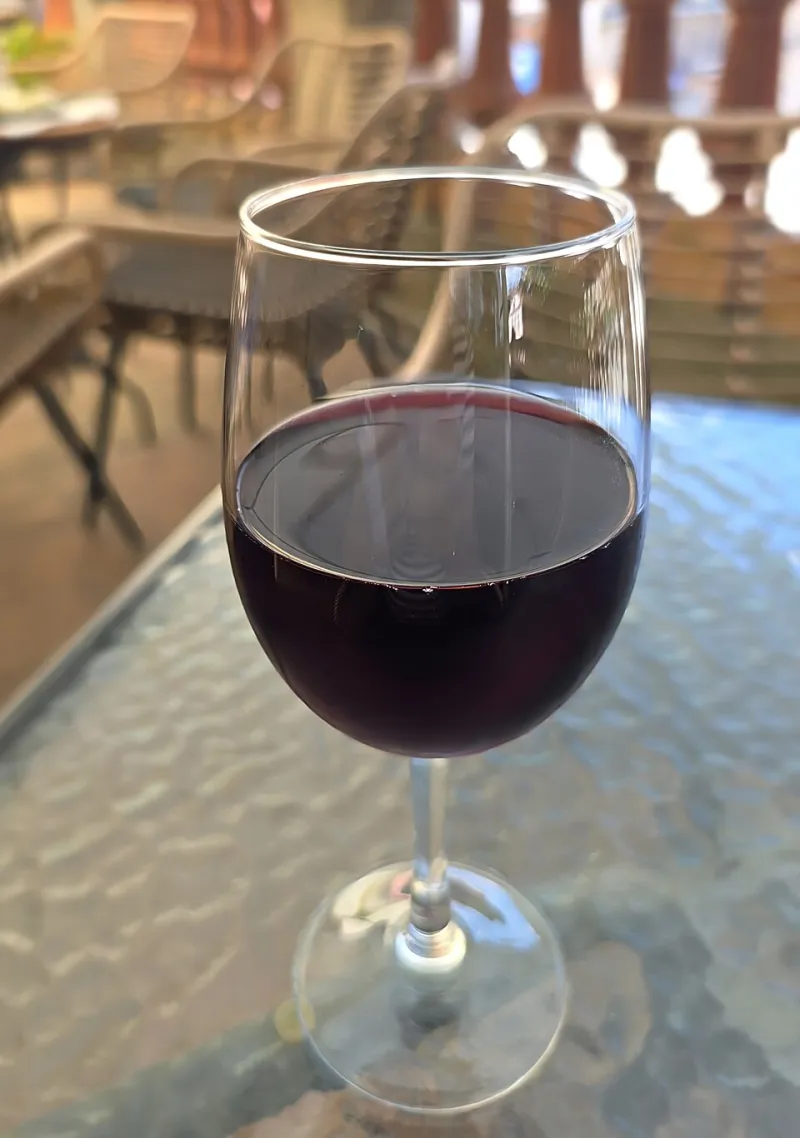
Photo: Auctor quaerendae, CC BY-SA 4.0, via Wikimedia Commons
Zinfandel is a generous grape. It gives you ripe fruit, a bit of spice, and enough warmth to stand up to a roast or a rich braise. But it is also a grape that will tell on you. Serve it too cold and it sulks, all tannin and tight-lipped fruit. Serve it too warm and it turns blowsy, the alcohol poking through like a guest who has had one glass too many. The sweet spot is not complicated, but it does require us to stop pretending that “room temperature” means the same thing in a British kitchen in November as it did in a nineteenth-century wine cellar.
Kitchen Temperature Is a Moving Target
Here is the first thing to accept: your kitchen does not have a temperature. It has several. The north-facing larder might be 12°C. The worktop beside the oven might be 24°C. The windowsill above the radiator is its own microclimate, and not a kind one. A bottle left in the cupboard under the stairs may be perfectly fine in September and decidedly chilly by Bonfire Night.
So when someone says “serve it at kitchen temperature”, they are not giving you a number. They are giving you a mood. What zinfandel actually wants is 16–18°C — cool enough to keep the fruit fresh, warm enough to let the tannins relax and the pepper-and-berry character unfold. That is closer to a cool larder than a cosy sitting room. If your kitchen is hovering around 20°C, which many are once the heating is on, your wine is probably already a degree or two too warm before it even hits the glass.
The Two-Degree Rule That Saves Dinner
Within that 16–18°C band, use the wine and the dish to guide you. A young, juicy zinfandel with a lighter frame is happier at the lower end, around 16°C. An old-vine bottling with more concentration and a touch more alcohol will feel more together at 17–18°C. If you are unsure, aim for 17°C. It is the diplomatic middle ground.
The common mistake is not being two degrees out. It is being five or six degrees out and blaming the wine. A zinfandel served at 22°C will taste hot and vaguely sweet, even if it is bone dry. The same bottle at 16°C will taste brighter, more savoury, and considerably more elegant. That is not pretension. That is just physics with a corkscrew.
A Ten-Second Thermometer Test
You do not need a laboratory. A cheap digital probe thermometer — the sort cooks use for roast chicken — is the most useful wine gadget you can own. Clean the probe, pour a small splash into a glass, wait a minute, and check the temperature of the liquid rather than the bottle. An infrared thermometer aimed at the surface of the wine is fine too, though it can be fooled by a cold glass.
The hand test is less reliable than we like to admit. A bottle feels cold when your hands are warm and warm when your hands are cold. If you have no thermometer, use a comparison: a bottle that feels noticeably cool to the touch but not numbing is probably in the right zone. If it feels neutral, neither cool nor warm, it is likely too warm for zinfandel. If condensation is forming on the bottle in a heated kitchen, that is a clue — though in a damp British winter, condensation is not always the witness you think it is.
Cooling a Bottle Without the Fridge
The fridge is not the enemy, but it is a blunt instrument. Twenty minutes in a domestic fridge can take a bottle from 20°C to 8°C, which is fine for a crisp white and disastrous for a bold red. If you need to cool zinfandel quickly, use a bucket or a large jug filled with cold water and a handful of ice. Fifteen minutes in that bath will drop the temperature far faster than still air in the fridge, and it is much easier to keep an eye on.
No ice? Wrap the bottle in a tea towel that has been soaked in cold water and put it in the coolest draught you have — a windowsill, a back porch, a garage. Check it every ten minutes. The freezer works if you are disciplined: eight to ten minutes, timer on, bottle upright, and do not walk away. A forgotten zinfandel in the freezer is a corked disaster with extra steps.
If the wine is too cold, warm it gently. Stand the bottle in a jug of room-temperature water for ten minutes, or simply pour a glass and cup it in your hands. Do not microwave it. Do not put it beside the radiator. And please do not decant it into a warm jug in a hot kitchen and expect a miracle — you are just giving the alcohol a bigger stage.
When the Dish Asks for a Touch More Chill
Within the 16–18°C band, some food pulls the dial down. Spicy dishes — a curry, a chilli, a tray of spiced lamb — are the obvious case. Capsaicin amplifies the sensation of alcohol, so a zinfandel at 18°C can feel fiery next to a hot curry. Take it down to 15–16°C and the fruit comes forward while the heat retreats. The same goes for a punchy charcuterie board or a tomato-heavy pasta: a slightly cooler pour keeps the wine feeling fresh rather than heavy.
Roasts, braises, pies, and mushroom suppers pull the other way. With a slow-cooked beef cheek or a Sunday pork loin, 17–18°C lets the wine wrap around the food. A cheese board sits comfortably at 16–17°C. The point is not to obsess over a single degree. The point is to stop serving everything at the same temperature simply because it came out of the same cupboard.
The Dinner-Party Sequence
Open the bottle before guests arrive, pour a small taste, and check it. If it is too cold, leave it in the room. If it is too warm, give it fifteen minutes in an ice-water bath. Once you are at the table, keep the bottle away from the oven, the radiator, and the candle. A cooler sleeve is not a gimmick if you are feeding eight people over three hours; it is the difference between the last glass tasting fresh and tasting like a warm beret.
Zinfandel is a sociable wine, and sociable wines should be served with a bit of care rather than a lot of ceremony. Find the cool side of the kitchen, use a thermometer once or twice until you trust your instincts, and remember that “kitchen temperature” is a starting point, not a rule. The kitchen is not a cellar. But with a little attention, it can be a very good place to open a bold red.