The Pudding That Argues Back: A Dry Zinfandel Case for Christmas
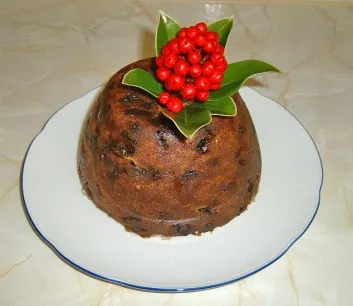
Photo: User Musical Linguist on en.wikipedia, CC BY-SA 3.0, via Wikimedia Commons
There is a certain kind of wine advice that arrives every December like a carol you didn't request: pudding equals sticky wine. Pedro Ximénez, a tawny with a few decades on it, perhaps a drop of something dark and treacly in a small glass. It is sound advice, mostly. It is also a bit like being told the only acceptable accompaniment to a Sunday roast is gravy. True, but not the whole story.
So here is a counter-proposal, offered in the spirit of a host who likes a bit of table debate: steam your pudding, get the brandy butter out of the fridge in good time, and open a dry zinfandel. Not a jammy, hot, fruit-bomb sort of zinfandel — a proper one, with acidity and shape. It shouldn't work. It does. And the reason it does tells you something useful about how food and wine actually behave together, rather than how we're told they should.
Why the rulebook says no
Start with the problem. Christmas pudding is a densely sweet thing: vine fruits, treacle, brown sugar, candied peel, suet, booze. Sugar in a dish is famously unkind to dry wine — it makes the wine taste thinner, sharper and more acidic than it did on its own. A dry, tannic red against a spoonful of pudding can suddenly read as sour, and sour is a miserable thing to be presented with on Christmas Day by someone you love.
That is the theory, and it's a good theory. Where it falls down is in assuming the pudding is only sweet. It isn't. A well-made one is bitter and dark as much as it is sugary — the treacle, the stout or ale in the mix, the citrus peel, the spice. Those bitter, savoury edges are exactly what a bold red with real acidity likes to sink its teeth into. Add fat in the form of brandy butter or cream, and you have something a structured red can work with rather than fight.
What you actually want in the bottle
The word doing the heavy lifting here is dry. Zinfandel is a grape that ripens enthusiastically, and plenty of bottles on UK shelves are sweetish, low in acid and high in alcohol — delicious with a burger, hopeless here. What you're after is a zinfandel picked a little earlier, or from a cooler site, or simply made by someone who values freshness over sheer weight. Look for alcohol around 14% rather than 15.5%, and a label that talks about structure, spice or old vines rather than jam and chocolate.
Practically, that means old-vine field blends and cooler-climate Californian bottlings, and it increasingly means Croatian or Italian versions of the same grape under other names. Expect dark bramble fruit, black pepper, a savoury undertow, and — crucially — an acid line that keeps the whole thing lifted rather than syrupy. Tannin should be present but ripe, the kind that grips gently rather than dries your gums.
Three bottles, one pudding, honest notes
I steamed a modest supermarket pudding, made brandy butter with more brandy than is strictly decent, and opened three bottles at the accessible end of the UK market. Prices vary by shop and by the week, so treat these as types rather than gospel.
A widely available old-vine Californian, around £13–16. Bramble, vanilla, a touch of sweetness in the fruit. Against the pudding it was fine — pleasant, unchallenging — but the sugar in the dish knocked the stuffing out of it and it finished a little hollow. Better with the cheese course later.
A step up, an ancient-vines bottling at roughly £17–20. Noticeably more pepper and earth, more grip. This is where the argument started winning. The bitterness of the treacle met the wine's savoury edge and both seemed to make more sense; the brandy butter softened the tannin beautifully. A genuine match, and my pick of the three.
A single-vineyard Sonoma bottle, comfortably north of £25. The most structured of the lot, and the one that made the best case for the whole idea. Dark fruit, fine tannin, a finish that kept going. With custard it was excellent; with brandy butter it was better still. Worth the money if you're feeding people who care, though nobody at the table needs to know what it cost.
The mechanics matter more than the bottle
A few practical points, learned the hard way.
- Serve it cool. Sixteen to seventeen degrees, which in a British kitchen in December means the bottle standing in a cool room for an hour after coming up from the cellar or garage. Warm zinfandel turns flabby and hot, and flabby and hot is the opposite of what you need here.
- Give it half an hour open. Not a full decanting ritual — just enough air to settle the alcohol and let the pepper come forward.
- Small portions of pudding. A big ladle of pudding will beat almost any dry wine. A modest slice with plenty of brandy butter is a fairer fight, and honestly a better dessert.
- Sip after the bite, not before. The wine needs the fat and bitterness of the food to show its best face.
- Skip the extra sugar on the table. If someone's pouring golden syrup over theirs, hand them the tawny and don't argue. There's a time and a place.
Stir-Up Sunday is the rehearsal
Stir-Up Sunday falls on 22 November this year, the last Sunday before Advent, when the pudding gets made and everyone in the house takes a turn with the spoon and makes a wish. It is, conveniently, the perfect excuse to test this pairing a month early, on a smaller pudding or even a slice of dark fruit cake, before you commit on the day itself.
Use it as a trial run. Buy two bottles rather than one, open them both, and see which you'd be happy to pour in front of your mother-in-law. Better still, note down what you thought — festive drinking is a memory game, and next December you'll be glad of the notes.
If it still doesn't sing
Not every table wants a debate. If your pudding is a very sweet one, or your guests are firmly in the sticky-wine camp, keep a bottle of good tawny or a young LBV port on standby and let the zinfandel do its work with the cheese and the cold meats instead. Nobody loses.
But do try it once. Bold reds get a reputation for being blunt instruments, all power and no poise, and a steamed pudding in a dark room in December is as good a place as any to prove otherwise. Bring the bottle to the table, pour it cool, and let the pudding argue back.