Perch, Plate, Pour: A Zinfandel Strategy for the Standing Christmas Do

There is a particular kind of Christmas party where the sofa is buried under coats, the kitchen is a one-way street, and every guest is performing the same small miracle: holding a plate, a glass and a conversation with only two hands. Standing-up parties are brilliant. They are also where bold red wine can either make the evening or make it heavy. Zinfandel, with its ripe fruit and generous nature, is a natural fit for the format — provided you plan for the room, the glass and the food rather than just opening bottles and hoping.
Plan for a warm room, not a cellar
Most wine advice assumes a quiet dining table. A packed sitting room in December is closer to a greenhouse. Bottles left near a radiator or on a busy kitchen counter will climb several degrees within half an hour, and a zinfandel that tasted bright at 16C can start to feel hot and syrupy at 20C. The fix is simple: start cooler than you would for dinner. Aim for about 14-15C when the first pour goes out. Not fridge-cold, not room-warm. Ten minutes in a bucket of cool water, or an hour in the coolest room in the house, is usually enough. Keep backup bottles there, not on the table. Pour in small batches and top up from the cool stash. If you decant, do it shortly before serving and keep the decanter out of the warmest corner. The wine will warm in the glass anyway; give it a head start.
Choose glasses that can be held and hired
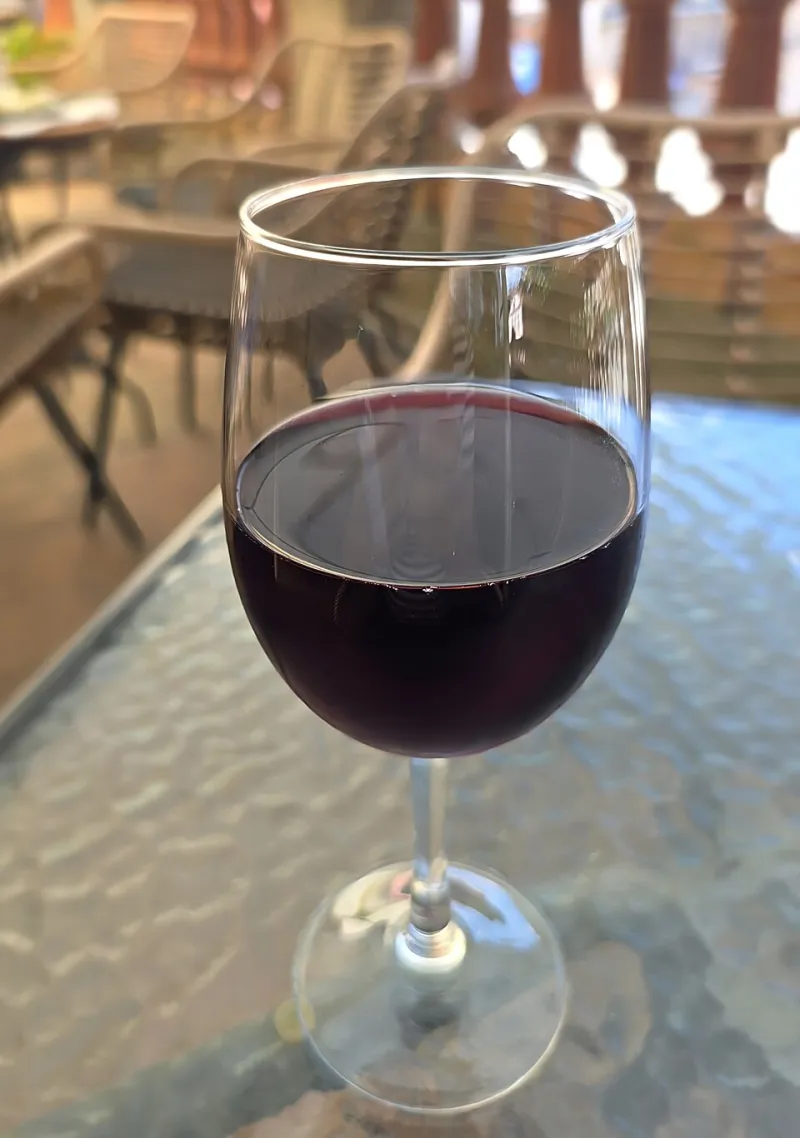
Standing parties are hard on glassware. That is no reason to reach for plastic tumblers or tiny tasting glasses. A stemmed universal glass is the practical answer: it gives the wine enough bowl to open up, keeps fingers off the bowl, and is easy to hold while balancing a plate. Hire two stems per guest if you can, or one and a half and accept a little washing up. Avoid enormous balloon glasses in a crowded room; they are easy to knock and make a 75ml pour look mean. A modest universal glass is better. Pour 75ml rather than a full 125ml. Smaller pours keep the wine fresher, reduce spillage and encourage guests to come back for a top-up, which is part of the sociability. If you are using hired glasses, ask for stemmed options rather than tumblers. If you must use tumblers, choose small ones and keep the pour very modest.
Food that works with one hand
The food table should be a zinfandel table, not an obstacle course. Think salty, savoury, fatty and a little sweet — the kind of things that soften a bold red and keep it from tasting aggressive. Pigs in blankets are almost purpose-built for this. Tiny Yorkshire puddings filled with rare beef and horseradish are excellent, as long as they are one bite. Sausage rolls with fennel seed, smoked paprika almonds, mature cheddar with chutney, and mushroom and chestnut vol-au-vents all work. A bowl of roasted red peppers with almonds and olive oil is good for vegetarians and brings a little sweetness that flatters the fruit.
Avoid anything that needs a knife, a deep bowl or a napkin the size of a tea towel. Avoid very hot chilli, too: zinfandel can handle spice, but a standing party is not the moment to test your guests' tolerance. Keep the food coming in small waves. A plate of something salty every twenty minutes does more for the wine than a long speech about old vines.
Keep the wine generous, not heavy
Zinfandel's reputation for generosity is earned, but generosity tips into heaviness when the alcohol is high and the room is warm. Look for bottles around 13.5-14.5% ABV for a party, especially if the wine will be the main red. You still want ripe fruit and a bit of pepper, but you also want freshness. A zinfandel that feels bright and lifted will keep guests coming back; one that feels like a pudding will fill them up after one glass.
Do not open every bottle at once. Open a few, keep them cool, and let the party tell you when to open more. If you have a particularly rich or high-alcohol bottle, serve it later in the evening when the food has been circulating and the room has settled into its rhythm. And put water on the table — not as a lecture, just as a generous, obvious option. A jug of iced water with lemon and a few glasses does more for the mood than any tasting note.
The loud-room advantage
Here is the case for zinfandel at a standing party: subtle wines disappear in a noisy room. A delicate red can taste like nothing when three conversations are happening at once and someone is opening the door to another guest. Zinfandel has enough fruit, spice and texture to be heard. It is a wine that can hold its own against sausage rolls, cheddar and Christmas music. But it needs the small disciplines above — a cooler start, a smaller pour, a stemmed glass and food that is not trying to compete.
If you get those right, the lack of chairs stops mattering. Guests will perch on arms of sofas, balance plates on knees, and come back for a second small glass. That is the point. Zinfandel is not a wine for a formal seated dinner only; it is a wine for a room full of people, as long as you serve it with a bit of thought and a lot of good humour.