The Day After Belongs to the Grazers: A Bold Red for the Buffet Table

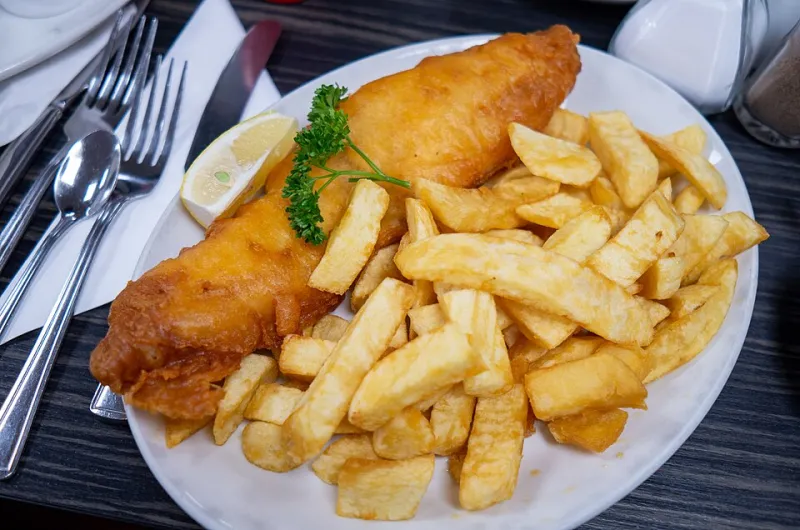
Photo: Ian Paterson, CC BY-SA 2.0, via Wikimedia Commons
Boxing Day has a rhythm of its own. Breakfast is late, lunch is a rummage, and tea is whatever can be balanced on a plate while someone asks whether there’s any more of the good ham. The table fills up with cold roast beef, leftover pork, a wedge of something breaded, pickled walnuts, cornichons, a chutney that has been in the fridge since November, and three kinds of cracker. It is not a tasting menu. It is a grazing station, and it deserves a wine that can graze too.
Zinfandel is a natural candidate. It has enough ripe fruit to flatter cold meats, enough acidity to cut through chutney, and enough structure to stop it feeling like a fruit juice. But the buffet is a particular kind of test: salty, vinegary, sweet, fatty and often eaten standing up. Choose the wrong bottle and it will either bully the plate or fade into the background. Choose well and it becomes the quiet fixer of the whole afternoon.
Why the buffet is harder than it looks
A sit-down roast gives a wine one job. A buffet gives it about seven. One mouthful is salty ham, the next is sharp pickle, the next is a cracker with cheddar and a smear of chutney. There is also the small matter of temperature. In a crowded kitchen, a bottle can go from pleasantly cool to vaguely soupy in the time it takes to find the mustard.
The wine needs three things: fruit that isn’t shy, acidity that keeps things fresh, and tannin that stays in its lane. Big alcohol and heavy oak are not automatically your friends here. They can make salty food taste saltier and leave the palate feeling tired before the third slice of pork pie. What you want is a zinfandel with ripe but lively fruit, a savoury edge, and enough grip to handle roast meat without turning chewy.
The style to reach for
Look for zinfandel that is bold but not bludgeoning. Old-vine field blends are often a good bet because they bring a little complexity and a fresher feel, even when the fruit is generous. California is the obvious place to start, but the label matters less than the style: you want something with clarity and bounce, not a sweet, smoky monster.
If the buffet is heavy on cold roast beef or lamb, a slightly more structured zinfandel will work nicely. If it is mostly ham, pickles, crackers and chutney, lean towards a juicier, medium-bodied bottle with modest tannin. And if there is a cheeseboard in the mix, which there usually is, avoid the most oaky example. Salt and oak can gang up on you.
A table-by-table cheat sheet
Cold roast beef: a classic old-vine zinfandel, served cool enough to keep the fruit fresh.
Cold roast pork or ham: something juicy and not too tannic. A little chill suits it, especially if there is chutney nearby.
Pickles and vinegary things: keep the wine fresh and avoid the biggest, most extracted bottle on the shelf. Vinegar can make broad wines look flat.
Crackers, cheddar and salty nibbles: a zinfandel with good acidity will do more for you than a soft, jammy one. The salt will make the fruit sing; the acidity will stop it cloying.
Christmas cake or mince pies: this is not the moment for a dry, tannic red. If you are finishing the bottle with something fruity, a slightly richer zinfandel can work, but keep the pour small.
Smoked salmon or prawns: honestly, this is where zinfandel should step aside. Keep a white open for the fishy bits. A good buffet has more than one wine for a reason.
Temperature in a crowded kitchen
Aim for about 15–17°C. That is cellar cool, not fridge cold, and it is usually a couple of degrees below a warm British kitchen in December. If the bottle has been sitting near the oven, fifteen minutes in the fridge will do it no harm. If the room is cool, just keep it away from the radiator and the back of the hob.
There is no need to decant the whole bottle for a buffet. Open it an hour before the first plate is assembled, pour a small glass to get some air in, and leave it at that. A hard decant can make a generous red feel loose and flabby, especially when it is being asked to handle pickles and crackers. If you want to be really practical, keep a second bottle unopened in the hallway and bring it out when the first one gets warm.
Bottles to look for
At the everyday end, Ravenswood Lodi Old Vine Zinfandel is widely available and usually lands around £10–£15. It has the ripe, generous style most people expect, with enough freshness to handle ham and chutney. Cline Ancient Vines Zinfandel, often £14–£18, is another reliable crowd-pleaser with a bit more savoury depth.
In the middle bracket, Seghesio Sonoma County Zinfandel usually sits around £25–£30 and brings more polish and structure. It is the sort of bottle that makes a buffet feel less like a fridge raid and more like a plan. If you want a field blend with real character, look for a California old-vine bottling from a merchant such as The Wine Society or a good independent; expect to pay £20–£28.
For a treat, Ridge Lytton Springs or Geyserville, often £40–£50, will handle cold roast meats beautifully and still have the freshness to cope with a sharp pickle. It is more than most of us spend on a Boxing Day bottle, but if there is one day when a generous red earns its keep, this is it.
The practical plan
Chill one bottle lightly, open two, and keep a white in reserve for the fishy bits. Put the reds in a cool spot away from the oven. Use tumblers if the good glasses are still in the dishwasher. And don’t worry if the table looks chaotic. Boxing Day is supposed to look like that. The wine only needs to keep up.