Stem? Barely Know Her: A Real-Kitchen Glassware Test for Bold Reds
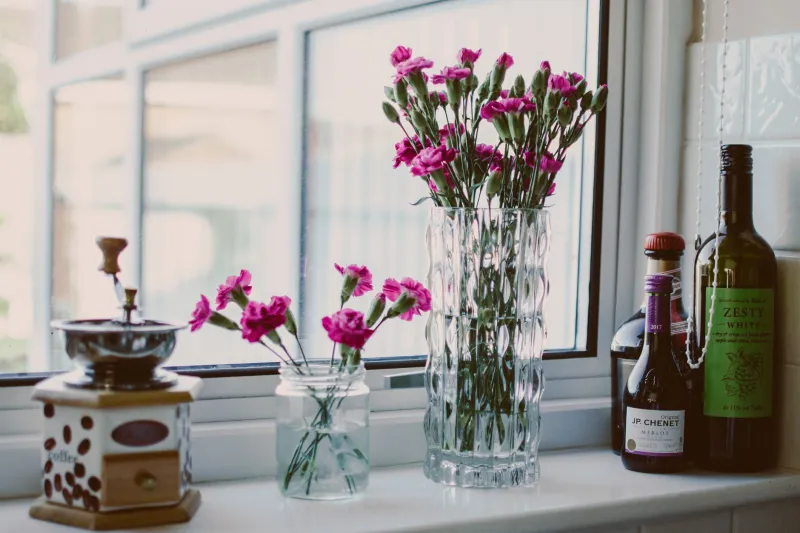
There is a particular kind of wine advice that assumes everyone owns a dedicated glass for every grape, a decanter for every Tuesday, and a spare room for the boxes they came in. I love a proper glass as much as the next person, but I also live in a British kitchen where the cupboard above the kettle is already at capacity with mugs, mustard jars and a tin of roses that nobody will admit to opening.
So this is a test for the rest of us. One decent £20 zinfandel. One ordinary kitchen. A handful of vessels that were not designed by anyone with a master’s degree in aroma chemistry. The question is not which glass is perfect. It is which glass is good enough to make dinner feel like a occasion without making you feel like a plonker.
The rules of the test
I poured the same wine, at the same sort of temperature, into four candidates: a straight-sided pint glass, a chunky tumbler, a charity-shop wine glass with a slightly scratched bowl, and a clean jam jar. I gave each a few minutes, a swirl where possible, and a sniff before sipping. No spittoon. No scores out of 100. Just the sort of honest appraisal you can conduct while something is bubbling on the hob.
The wine was a ripe, peppery zinfandel with enough weight to stand up to a cold night and enough acidity not to feel like syrup. A bold red is a useful stress test for glassware because it brings fruit, alcohol and a bit of attitude. If a glass can make that feel less shouty and more friendly, it is doing its job.
Pint glass: the pub-brain solution
The pint glass is the great British blank canvas. It is cheap, sturdy, dishwasher-friendly and already in the cupboard because someone came back from a beer festival with it. For a bold red, it is not ridiculous. The wide mouth lets you get your nose in, the straight sides give the wine plenty of room to breathe, and the whole thing says, “Relax, it’s only dinner.”
The downside is that a pint glass is a bit of a blunt instrument. The aromas spread out rather than gather, so you lose some of the detail — the bramble, the black pepper, the little smoky edge. The rim is also thick enough to feel like you are drinking from a plant pot. But if the alternative is a tiny thimble of a glass that makes every sip feel like a ration, the pint glass wins on hospitality. It is the glass equivalent of a big hug from someone wearing a slightly damp coat.
Tumbler: the kitchen workhorse
A tumbler is what most of us actually reach for when the corkscrew comes out. Mine is thick-based, vaguely Scandinavian, and has survived more dinner parties than I have. It is excellent for a bold red in the same way a cast-iron pan is excellent for a Sunday roast: not delicate, but deeply dependable.
The tumbler’s wide bowl gives the wine a good surface area, which helps the aromas lift. The lack of a stem means your hand warms the wine, which is a minor issue with a robust zinfandel and a major issue if you are drinking something fragile. But we are not. A bold red can take a bit of hand warmth. In fact, a slightly warmer glass can coax out the fruit and soften the tannin, especially if the bottle has come straight from a chilly British pantry.
Where the tumbler stumbles is the rim. Thick glass tends to deliver the wine in a broad, unfocused way. It is fine. It is more than fine. It is the glass you can put down on the floor next to a board game without having a small panic.
Jam jar: charming, until it isn’t
I wanted the jam jar to work. It has a certain rustic charm, the sort of thing that looks good on a Instagram feed next to a linen napkin and a lump of cheese. But in practice, a jam jar is a narrow, thick-rimmed cylinder that makes a bold red smell vaguely of the inside of a cupboard.
The glass is often too thick to let you appreciate the colour, and the narrow opening traps the alcohol rather than releasing the fruit. It is not undrinkable — this is a £20 zinfandel, not a fragile old Burgundy — but it is a reminder that charm and function are different things. Use the jam jar for flowers, pencils or a candle. Use it for wine only if you are making a point, and make sure the point is worth it.
Charity-shop stems: the quiet winner
Here is the good news. The best glass in the test cost me £1.50 from a charity shop in a market town, and it had a slightly old-fashioned bowl that was wider at the base than the rim. That shape matters. The wide bowl gives the wine room to breathe, while the gently tapering rim gathers the aromas towards your nose instead of letting them wander off towards the ceiling.
It was not crystal. It was not branded. It did not come in a box with a booklet. But it made the zinfandel taste more like itself: the fruit was clearer, the pepper was more defined, and the finish felt tidier. If you have a charity-shop stem with a bowl roughly the size of your cupped hand, you have a very serviceable bold-red glass. Buy two more if you see them. Buy four if you have friends.
What shape actually does
A glass is not magic. It is a delivery system. The bowl size affects how much air the wine meets, the rim shape affects where the aromas go, and the thickness of the glass affects how the wine lands on your tongue. For bold reds, you want enough space for the wine to breathe and a rim that is not so wide that every smell escapes at once. A slight taper helps. A stem helps you avoid warming the wine, but it is not essential.
What you do not need is a different glass for every grape. A medium-large red wine glass, a decent tumbler, or even a clean pint glass will get you through most of the winter. The wine is not going to file a complaint.
The company clause
The most important piece of glassware advice is this: the people around the table matter more than the stem. A £20 zinfandel in a tumbler with friends who are arguing about the correct way to load a dishwasher is a better experience than a £60 bottle in perfect crystal with someone who keeps checking their phone. Glassware should serve the evening, not preside over it.
So audit your cupboard. Pick the glass that feels good in your hand and does not make you wince when it goes in the sink. Give the wine a few minutes to open up. Pour generously but not absurdly. Then sit down, pass the something-for-the-table, and get on with the business of having a nice time. The jam jar can stay in the cupboard. It has suffered enough.