The Doorstep Red: What to Hand Over When the Invite Says ‘Nothing’
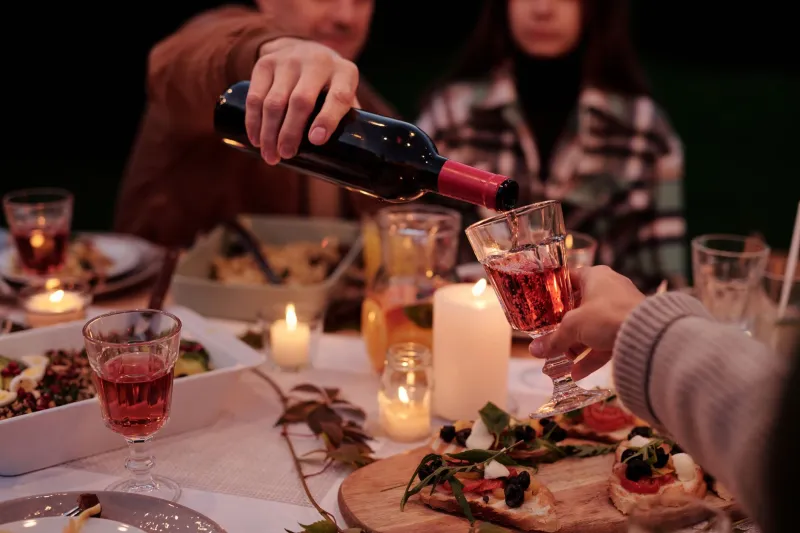
There are few phrases more British than ‘just bring yourself’. It is warm, final and faintly terrifying. You arrive with flowers, a box of something from the good bakery and a bottle anyway, because turning up empty-handed feels like a small social failure. The trick is not to bring nothing. The trick is to bring something that behaves itself.
A bottle of bold red can be a lovely doorstep gift, but it can also arrive with a loud voice. Zinfandel, in particular, has a reputation for turning up in a leather jacket and asking who is in charge. The aim is simpler: choose a bottle that suits the meal, respects the host and can be opened without ceremony. Here is how to do that without overthinking the whole business.
Decode the invitation, not just the words
‘Just bring yourself’ usually means the host has the food and drink planned and does not want you to feel taxed. It does not mean a bottle will be unwelcome. It means the bottle should be a contribution, not a test. ‘Bring a bottle’ is more direct: wine is expected. ‘We have plenty of wine’ is a gentle warning that another bottle may be lovely but is not required for the evening to function.
In all three cases, the same rule applies: bring something that can be put aside. A zinfandel that needs two hours in a decanter and a temperature probe is not a gift; it is homework. A generous, food-friendly bottle that can sit on the side until needed is the sweet spot.
Price etiquette: generous, not theatrical
British hosts are often more comfortable with a bottle they can open without fuss than with one that makes them feel they should have cleaned the good glasses. In 2026, a sensible doorstep zinfandel sits somewhere around £15 to £22. That is enough to be thoughtful, not so much that the host feels obliged to save it for a special occasion or produce something grander in return.
If you are going to a close friend’s house and know they love wine, you can push towards £25 or £30. If you are meeting new people, keep it mid-range and let the conversation do the work. The bottle should not audition for a better dinner. If your wine costs more than the main course, that is fine — just do not mention it. Leave the price tag in your pocket, not on the label.
What a host actually wants from a bold red
A host wants a bottle that will make the table feel more generous, not more complicated. That means looking for zinfandel with freshness and shape rather than pure weight. On a UK shelf, aim for something in the 13.5% to 14.5% alcohol range where possible. Look for words such as Sonoma County or Dry Creek Valley on a California label, or a Croatian Tribidrag if you are shopping somewhere with a good independent selection and want a story with the bottle.
‘Old vine’ on a zinfandel label is not a regulated guarantee, but it often signals a wine with more depth and a little less simple sweetness. What you want to avoid, unless you know your host loves the style, is anything labelled late harvest, dessert wine or port-style. A 15.5% fruit bomb can be magnificent with a winter braise, but it can also flatten a delicate starter and leave the host wondering where the fire extinguisher is.
For UK shoppers, the practical shortlist is straightforward. Waitrose, M&S and Majestic usually have a reliable zinfandel in the mid-teens to low twenties; The Wine Society and independent merchants are worth a look if you want something with a bit more character. Names such as Cline Ancient Vines, Ravenswood Old Vine and Seghesio Sonoma are familiar for a reason, but own-label zinfandel from a good merchant can be just as useful. The label should tell you where it comes from and roughly what it is trying to be. If it just says ‘California red’ and costs £7, put it back.
Do not outshine the roast
The greatest risk with a bold red is not that it is too cheap. It is that it arrives with a point to prove. Do not bring two bottles unless the host has asked for wine. Do not bring a bottle that needs special glasses, a decanter and a speech. Do not open it yourself at the table. And do not spend the first ten minutes explaining why the host’s wine is perfectly nice but yours is more interesting.
If you know the menu, choose accordingly. A medium-weight zinfandel with blackberry fruit, a little pepper and fresh acidity is a happy companion to roast lamb, a proper pie, mushroom suet pudding or a wedge of mature cheddar. If the host is serving fish, either ask whether red is wanted or bring the bottle as a ‘for another night’ gift and drink what you are given. That is not defeat. It is manners.
The doorstep handover
Keep the handover short. ‘I brought a zinfandel — no need to open it tonight, but it should be happy with the roast if you fancy it.’ That gives the host permission to accept the gift without immediately reorganising the meal.
If the host opens it before dinner anyway, do not panic and do not lecture. A short script will carry you through:
- Host: ‘Oh, you shouldn’t have.’ You: ‘It is nothing precious — open it if it suits, or save it for Sunday.’
- Host starts opening it before the starter: ‘Perfect. It will be happy to breathe while you finish what you are doing. I am following your lead.’
- Host pours a glass and looks at you expectantly: ‘That is lovely. It will be even better with the main, but I am very happy to start here.’
- If the wine is bigger than the meal: ‘It is a generous one. If it is too much for tonight, it will be brilliant with a pie later in the week.’
That last line matters. The bottle should never make the host feel under-equipped. It should make them feel that you have brought something useful, shareable and easy to say yes to.
The best doorstep wine is not the most expensive or the most obscure. It is the one that makes the host relax. A good zinfandel can do that beautifully: ripe enough to feel generous, fresh enough to work with dinner, and modest enough to leave the evening in charge. Bring yourself, by all means. But bring a bottle that knows how to behave once it is inside.