Red for the Red-Wary: Six Bottles That Quietly Change Minds
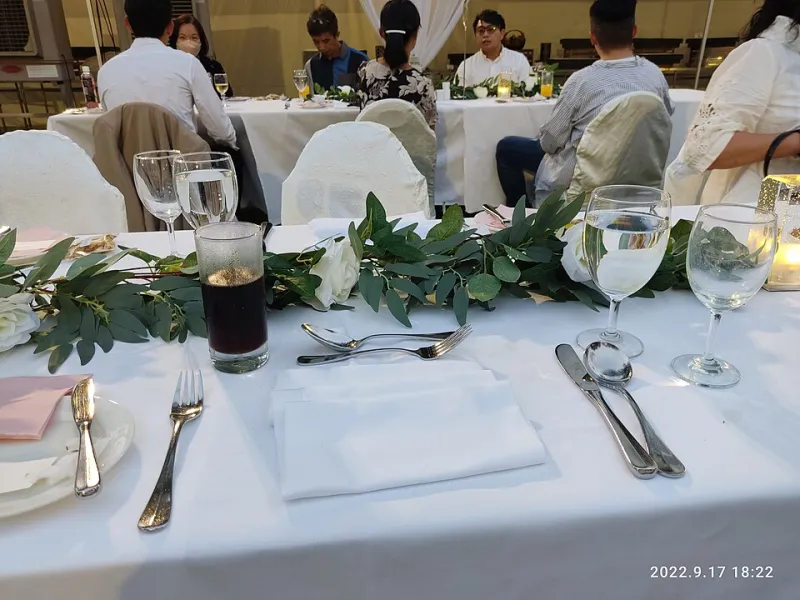
Photo: COEBZTAFA lanmi MWIC, CC BY-SA 4.0, via Wikimedia Commons
Every dinner party has one. The guest who waves away the red with a polite smile and says, 'It's just too heavy for me.' Sometimes they add that red wine gives them a headache. Sometimes they had one bad experience with a tannic monster in the 1990s and have never quite recovered. The answer is not a lecture on tannin. It is a different bottle, a cooler serving temperature and a host who does not make a fuss.
Start with the serving, not the bottle
Many 'red is too heavy' complaints are really temperature complaints. A red served at 22°C in a warm dining room feels syrupy and alcoholic. Chill it for 20 minutes and the same wine tastes fresher, lighter and more inviting. Aim for 14–16°C—cooler than most people serve red, warmer than the fridge. Open the bottle half an hour before dinner, use a modest glass and do not fill it more than a third. That alone converts more sceptics than any speech about terroir.
The six
1. California zinfandel, £12–£20
The gateway grape for anyone who thinks red is austere. Look for a zinfandel at 13.5–14.5% rather than a 15% bruiser, with bright cherry, pepper and a soft finish. Stockists: Majestic, Waitrose and independent wine shops. Pair it with roast chicken, sausages or a tomato-based stew. Serve it cool and watch the 'I don't drink red' guest ask for a second glass.
2. Primitivo from Puglia, £9–£15
Zinfandel's Italian cousin, often plusher and gentler on the wallet. Expect ripe plum, a little dried herb and low-ish tannin. Stockists: Waitrose, Co-op and Majestic. Pair with aubergine parmigiana, spicy tomato pasta or a lamb ragu. It is a reassuring bottle: generous, familiar and not remotely austere.
3. A softer New World blend, £8–£14
Look for a South African Cape blend or a Chilean red built around Carmenère and Syrah. These wines tend to be smooth, rounded and easy to like, with gentle tannin and a soft spice finish. Stockists: supermarket fine-wine shelves, Laithwaites and independent merchants. Pair with lamb burgers, halloumi and roasted peppers, or a midweek chilli.
4. Spanish Garnacha, £10–£18
Garnacha can be bold without being bruising. Seek out a fresh, unoaked or lightly oaked style with red plum, wild strawberry and a warm herbal note. Stockists: Waitrose, Majestic and independent Spanish specialists. Pair with roast lamb, peppers and slow-cooked pork. It is a useful bridge for drinkers who find Cabernet too drying.
5. Argentine Malbec, £10–£16
Malbec's reputation for weight can be misleading. A mid-priced bottle from Mendoza often has plush blackberry fruit and a smooth texture, especially if it has not been over-oaked. Stockists: Majestic, Waitrose and Naked Wines. Pair with steak, mushroom dishes or a Sunday roast. Choose a 13.5–14% example and serve it cool.
6. Cool-climate Shiraz, £12–£20
Australian Shiraz can be a jammy giant, but cooler-climate versions are fresher and more peppery. Look for Victoria or a restrained Rhône-style Syrah if you want to stay European. Stockists: M&S, independent merchants and Laithwaites. Pair with sausages, lamb and grilled vegetables. The pepper note makes it taste less sweet and more savoury—a useful trick with red-wary guests.
A short note on the headache question
Red wine does not affect everyone the same way, and it is unhelpful to pretend otherwise. Alcohol, dehydration and pace all matter. So does the company and the size of the pour. If a guest says red gives them a headache, offer water alongside, keep the glass modest and choose a lower-alcohol bottle where you can. Sulphites are often blamed, but the evidence is not as simple as the label chat suggests. The practical host's answer is a cooler, fresher red, a smaller pour and no pressure.
Choosing bottles that reassure
Look for words such as 'smooth', 'medium-bodied' and 'fresh' on the back label. Avoid 'blockbuster', 'jammy' and 'old-vine' if your guest is nervous—even if the wine inside is lovely. A screwcap is not a sign of cheapness; it is a sign of convenience. And a familiar grape name is often more reassuring than a fashionable one. The aim is not to prove a point. It is to pour something that disappears from the glass while the conversation carries on.
The conversion table at a glance
- Safest first pour: Primitivo or a soft New World blend.
- Best all-rounder: California zinfandel at 13.5–14.5%.
- Best with roast lamb: Spanish Garnacha.
- Best with steak: Malbec.
- Best with sausages: cool-climate Shiraz.
- Serving temperature: 14–16°C for all six.
- Glass: large enough to smell, filled no more than a third.
A dinner party is not a tasting exam. It is dinner. Choose a bottle that is generous, serve it a little cool and let the guest discover the pleasure on their own terms. That is how conversions actually happen.