The Big-Red Evangelists: Five Independent UK Wine Shops Worth a Detour
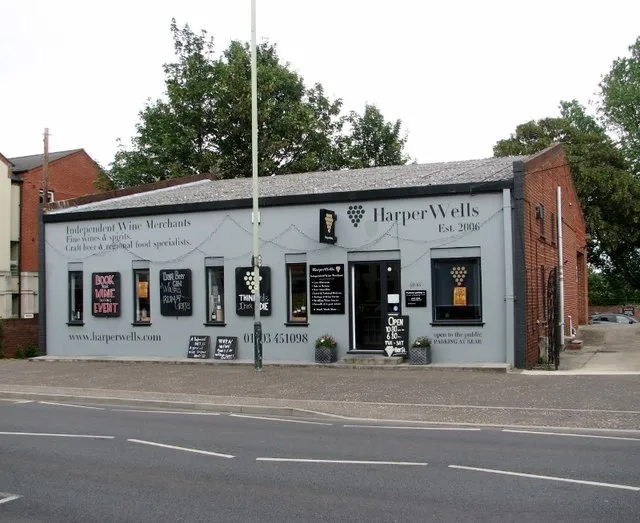
Photo: Evelyn Simak , CC BY-SA 2.0, via Wikimedia Commons
Independent wine shops are not museums. They are working counters, full of bottles chosen by someone who has to look a local drinker in the eye and say, honestly, what is worth opening this weekend. For bold reds, that matters. Zinfandel and its bigger cousins can be misunderstood on a supermarket shelf: too often they are sold as a novelty, a jammy blockbuster or a barbecue wine. A good independent merchant tells a different story.
Why the indie counter still matters for bold reds
A supermarket buyer works with national listings and tight margins. An independent buyer works with a smaller range and a local audience. That means they can take a chance on a producer, a vineyard or a style that does not fit a spreadsheet. They can also explain it. For zinfandel, that explanation is often the difference between a curious shrug and a bottle going home.
The best shops do not push the biggest, loudest red on the shelf. They ask what you are cooking, how you like your coffee and whether you have twenty minutes to hear about old vines. Here are five shops where that conversation tends to go well.
1. Highbury Vintners, London: the neighbourhood cellar with a California habit
Highbury Vintners is the sort of north London shop that feels less like a retail unit and more like a cellar with a door onto the street. The range leans European, but the California shelf is not an afterthought. This is a good place to ask for Ridge Lytton Springs if you want structure and a sense of place, or Seghesio Sonoma County Zinfandel if you want a polished bottle for a Sunday roast crowd.
The shop's strength is context. Ask why one zinfandel tastes peppery and another tastes like blackberry jam, and you will get a proper answer rather than a shrug. That is worth the detour.
2. Weavers Wine, Nottingham: the value scout
Weavers has the feel of a shop that enjoys the hunt. The range is broad enough to satisfy a dinner party but curated enough that you are not drowning in options. For bold reds, it is a useful place to ask about Lodi and older-vine California bottlings that overdeliver for the money.
Ask for Cline Ancient Vines Zinfandel if you want juicy fruit with a savoury edge, or Ravenswood Lodi Old Vine Zinfandel if you need a reliable bottle for pork, lamb or a midweek chilli. Neither is a show-off wine. Both are the sort of thing you end up buying twice.
3. The Sampler, London: the try-before-you-buy option
The Sampler's tasting machines make it a natural entry point for anyone who is bold-red curious but not yet convinced. Zinfandel can be a tricky grape to buy blind: alcohol, oak and residual sugar vary widely. Being able to taste before you commit is a quiet luxury.
Use the opportunity to compare a cooler-climate style with a warmer, richer one. Ask for a taste of something with pepper and freshness, then something with blackberry and weight. The difference will tell you more than any back-label description. If you find a bottle you like, ask the staff what they would cook with it. That is where the real buying guide begins.
4. Lockett Bros, North Berwick: the coastal shop with a cellar habit
Lockett Bros is the kind of independent merchant that proves speciality wine is not a London-only sport. The shop has a strong sense of hospitality, and the staff are used to matching bottles to real meals rather than tasting-menu fantasy. For zinfandel and other bold reds, ask what they have with freshness and structure rather than pure alcohol.
A bottle such as Turley Juvenile Zinfandel, if it is in stock, is a good conversation starter: generous, dark-fruited and more serious than the label suggests. If not, ask for a California red with pepper and acidity. The point is to let the counter guide you.
5. Corks of Cotham, Bristol: the dinner-party fixer
Corks of Cotham has the relaxed, useful feel of a shop that knows its neighbours cook at home. That makes it a good place to ask the practical question: what red will work with lamb, roast potatoes and a table of people with different tastes?
A bottle like Ridge Three Valleys or a Sonoma zinfandel with moderate oak is the sort of answer you want. Ask for something with fruit but not sweetness, and acidity but not sharpness. The staff will understand. This is a shop for the host who wants one bottle to do the work of three.
How to ask for bold reds without getting the hard sell
Start with the food, not the grape. Tell the merchant what you are cooking and how many people are coming. Ask whether they have a zinfandel with freshness rather than a fruit bomb. If you are buying for a gift, say so; if you are buying for Tuesday night, say that too. The best independent shops are not trying to upsell you into a trophy bottle. They are trying to sell you something you will actually enjoy.
It also helps to ask what they would drink themselves. That question tends to cut through the marketing and get you to the good stuff.
Bottles to ask for by name
- Seghesio Sonoma County Zinfandel: a polished, food-friendly benchmark for roast beef or lamb.
- Ridge Lytton Springs: structured and ageworthy, for a special Sunday lunch.
- Cline Ancient Vines Zinfandel: juicy and peppery, a strong value pick.
- Ravenswood Lodi Old Vine Zinfandel: soft, brambly and dependable with pork or chicken.
- Bedrock Old Vine Zinfandel: if you spot it, ask about it. Old-vine depth with a welcome savoury edge.
- Turley Juvenile Zinfandel: generous and dark-fruited, for when the table wants a bold red with dinner.
The detour is the point
You can buy a decent bottle of red in most UK supermarkets, and that is fine. But if you want to understand why one zinfandel tastes of pepper and another of blackberry jam, or why old vines matter, or which bottle will survive the gravy, go to a shop where someone will tell you. These five are worth the trip. Ask a question, take a bottle home, and cook something generous.