Gravy, Crackling and a Bold Pour: The Case for Zinfandel at Sunday Lunch
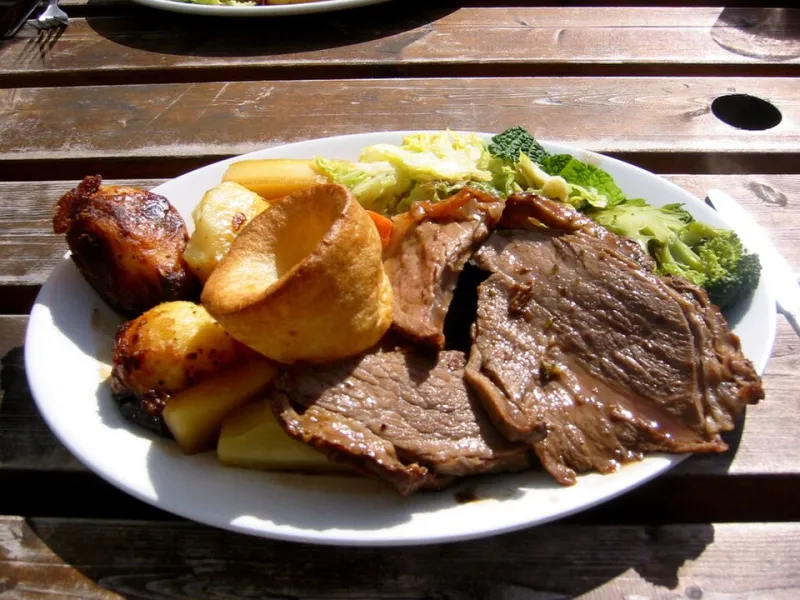
Photo: Jeremy Keith (Flickr user "adactio"), CC BY 2.0, via Wikimedia Commons
Sunday lunch is a wonderful thing, but it is rarely a wine-matching puzzle. Most of us are not looking for a different bottle for the lamb, another for the gravy and a third for the Yorkshire puddings. We want one red that can hold its own from the first slice to the last roast potato. That is where zinfandel earns its place.
A roast is not a tasting menu
The great British Sunday roast is a broad church. There is meat, there is gravy, there are potatoes cooked in fat, and there is usually someone at the table who wants a glass of something soft and fruity while someone else wants a red with a bit of grip. A single wine has to be a diplomat.
Zinfandel is better at this than its reputation suggests. It has ripe, brambly fruit, but the best examples also have enough acidity to cut through richness and enough tannin to stand up to beef. It is not a shrinking violet, but it is not always a fruit bomb either. The trick is to choose a bottle with balance rather than pure power. Look for something in the 13.5 to 14.5 per cent alcohol range, with blackberry and pepper rather than jam and vanilla.
Lamb with rosemary: fruit, pepper and a little cut
Roast lamb is the classic case. Rosemary, garlic and lamb fat are a savoury trio, and zinfandel's pepper-and-blackberry profile fits neatly alongside them. The acidity matters more than the tannin here: it refreshes the palate between forkfuls of rich meat. A medium-weight zinfandel from Sonoma or Lodi works well, especially if it has a savoury edge rather than a thick cloak of oak.
If the lamb is pink and the gravy is light, serve the wine slightly cool, around 16C. If the meat is slower-roasted and the gravy is dark, let the bottle breathe for twenty minutes and serve it a degree or two warmer.
Beef and horseradish: tannin with a job to do
Roast beef is where zinfandel can really stretch its legs. The tannin in a structured bottling clings to the protein in the meat, while the fruit softens the fiery kick of horseradish. This is not the place for the most alcoholic, jammy example on the shelf. You want a wine with a firm backbone and a clean finish.
A small decant helps. Nothing ceremonial: open the bottle, pour a glass, leave the rest for half an hour. That little bit of air softens the edges and makes the wine more forgiving with gravy and Yorkshire puddings.
Pork, crackling and apple sauce: the jammy-savoury handshake
Pork is often paired with white wine, but crackling changes the argument. The salty, crunchy fat needs a red with fruit and acidity, and zinfandel's brambly character is a natural fit with apple sauce. Avoid the most heavily oaked bottles here; they can make the crackling taste greasy. A brighter, peppery zinfandel is the better call.
Chicken: only if the trimmings are bold
Roast chicken is the exception. If the bird is served plain with delicate vegetables, a big zinfandel will bowl it over. But if there is bacon, sausage stuffing, bread sauce or a rich gravy, the wine has something to work with. Match the wine to the trimmings, not just the meat.
Gravy is the real test
Gravy is where many wine matches fall apart. It is salty, savoury and often thickened with flour or reduced stock. Zinfandel's acidity is the key: it cuts through that richness and keeps the palate fresh. Tannin can help, but too much tannin plus too much gravy can feel drying. That is why balance matters more than brute strength.
Yorkshire puddings are another argument for acidity. They are crisp, fatty and faintly sweet from the batter, and a wine with a little freshness keeps them from dominating the plate. If your gravy is particularly dark and meaty, a zinfandel with a savoury, peppery edge will feel more at home than a soft, sugary one.
Serving without ceremony
You do not need a decanter the size of a church font. A jug will do. Open the bottle twenty to thirty minutes before lunch, pour a small glass and let the rest breathe. Serve it at 16C to 18C, not straight from a warm kitchen shelf. Use a decent-sized glass and fill it no more than a third full so the wine can open up.
If you are cooking for a crowd and want one red for the table, zinfandel is a sensible choice because it is generous without being fussy. It does not need a lecture. It needs gravy.
Four bottles to look for in the UK
These are the sorts of bottles worth asking for at an independent merchant or checking on the high street. Prices are approximate and will vary.
- Ravenswood Lodi Old Vine Zinfandel, around £12 to £16: soft, brambly and reliable. A good entry point for pork or chicken with all the trimmings.
- Cline Ancient Vines Zinfandel, around £15 to £20: juicy and peppery, with enough freshness for lamb and roast potatoes.
- Seghesio Sonoma County Zinfandel, around £25 to £30: polished and structured, with the fruit and tannin to handle beef.
- Ridge Lytton Springs, around £35 to £45: a more serious bottle for a special Sunday. Give it air and serve it with rare beef or slow-roast lamb.
The last word: pass the gravy, not the rulebook
The Sunday roast is not a wine exam. It is lunch with people you like, and the wine should make the table feel more generous. Zinfandel does that. It has fruit for the crackling, acidity for the gravy and enough structure for the beef. Put a bottle on the table and see what happens. If the Yorkshire puddings disappear first, the pairing is already working.