Fat, Herb, Heat: A Zinfandel Playbook for Sausage Night
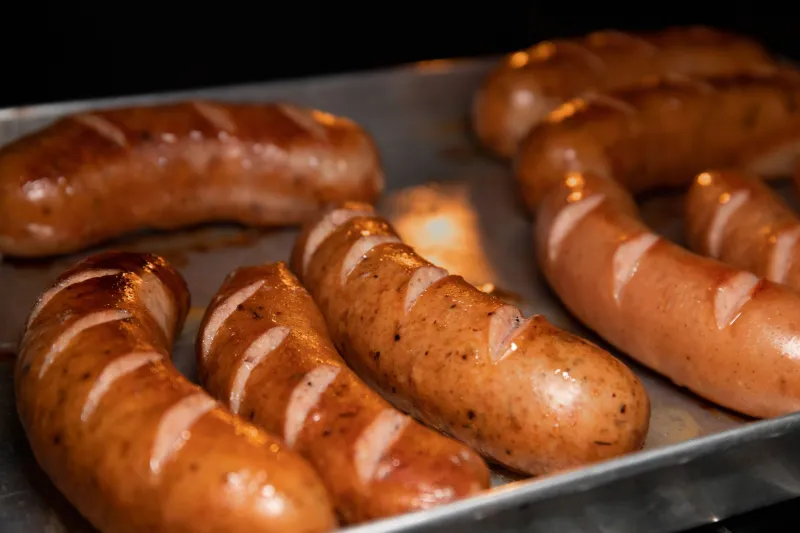
Sausage night has a reputation problem. It is treated as the meal you make when inspiration has left the building, when really it is one of the most reliable pleasures in the British kitchen: crisp-skinned, salty, savoury and built for a glass of something bold. The trick is not to reach for the safest red on the shelf. Reach for zinfandel.
Zinfandel has the right kind of confidence for bangers. Its ripe fruit meets the fat in pork, its acidity lifts the richness, and its tannins are usually soft enough not to fight with a forkful of mash. It also has a savoury side that many drinkers forget, especially when the wine is made with restraint rather than turned up to eleven. This is not about finding a fruit bomb to bludgeon the plate into submission. It is about a red with enough flesh to match the sausage and enough freshness to keep you coming back.
Start with the sausage, not the sauce
British sausages are not one thing. A Cumberland is coarse and peppery, with a strand of sage running through it. A Lincolnshire is herby and a little softer, often with sage and thyme. A pork-and-apple banger brings sweetness. A chorizo-style sausage brings smoked paprika, garlic and heat. They all want a bold red, but they do not want the same bold red.
For a classic pork sausage, look for a zinfandel with bright blackberry fruit, a savoury edge and moderate oak. If the sausage is heavily herbed, a wine with a little less vanilla and a little more freshness will keep the sage and thyme in view. For a chorizo-style banger, avoid the highest-alcohol, sweetest-fruited examples. Paprika and chilli can make a hot, jammy wine feel clumsy. A balanced zinfandel at around 13.5 to 14.5% ABV, with good acidity, will handle the spice without turning the meal into a wrestling match.
The fat, herb and heat test
Think of the pairing as three separate jobs. Fat is the easy one. Sausages are rich, and zinfandel’s acidity is a natural cutter. The wine’s fruit fills in the gaps left by salt and rusk, while a gentle tannin gives the whole mouthful a bit of grip. If the wine is too tannic, it can make the sausage feel dry; if it is too soft, the meal can feel heavy. The sweet spot is a red with shape rather than weight.
Herbs are the second job. Sage, thyme, parsley and pepper are the quiet flavour engines of a good banger. Zinfandel often has a brambly, slightly herbal note of its own, which is why it works better than many plusher reds. Oak is the thing to watch. A little is fine, especially with a smoky or grilled sausage, but too much vanilla will smother the herbs.
Heat is the third job. Chorizo-style bangers, or any sausage with a chilli kick, need a wine with fruit and freshness rather than pure power. High alcohol plus chilli can feel hot and dry. A cooler-serving temperature helps too: aim for about 16 to 18°C, which in a British home usually means 20 minutes in the fridge if the bottle has been sitting next to the radiator.
A midweek plan that actually works
This is a supper, not a project. Heat the oven to 200°C fan. Halve a couple of onions, toss them with oil, salt and a few thyme sprigs, and give them ten minutes in a roasting tray. Add six good pork sausages, turn them once, and roast for 25 to 30 minutes until browned and cooked through. If you like the pork-and-apple combination, add a couple of halved apples for the last ten minutes. Meanwhile, make mash or warm a tin of butter beans with garlic and olive oil. Steam some greens. Warm the plates. Open the zinfandel twenty minutes before you eat.
The point is not to build a restaurant plate. The point is to give the wine a fair fight: browned meat, sweet onions, a little starch and something green. That is enough. If you want to push the boat out, add a handful of frozen peas to the tray for the last five minutes, or spoon over a little mustard cream at the table. But keep the core simple. Sausage night works because it is unfussy.
Condiments: where the pairing is won
Condiments can make or break the match. English mustard is the best friend of a bold red: sharp, clean and cut through the fat. Wholegrain mustard is gentler and works nicely with herby sausages. Brown sauce brings malt vinegar and tamarind, which flatter zinfandel’s acidity. A spoonful of onion marmalade or a fruity chutney is lovely with pork, but choose one that is more savoury than syrupy. Ketchup is fine if you love it, but a lake of sweet tomato will make even a balanced zinfandel feel sweeter than it is. Use a dab, not a flood.
Pickled onions and cornichons are useful too. Their vinegar cuts through the richness and resets the palate between mouthfuls. If you are feeding a crowd, put the condiments in small bowls and let people help themselves. It keeps the table convivial and stops one enthusiastic guest from drowning a good sausage in brown sauce.
Bottle pointers for UK shoppers
You do not need to spend a fortune. Look for a zinfandel with a clear sense of freshness, moderate alcohol and a little structure. Californian examples from Lodi often offer generous fruit at a sensible price; Sonoma tends to bring more shape and savoury nuance; Paso Robles can be riper and fuller, which suits a smoky sausage but may overwhelm a delicate herby one. Old-vine bottlings can be excellent, but do not assume old vine means better. It often means denser and more expensive, which is not always what sausage night needs.
Check the back label for abv and tasting notes. If the wine is described as ‘jammy’, ‘sweet-fruited’ or ‘port-like’, it may be too much for chorizo-style bangers, though it could work with a plain Cumberland and a dollop of mustard. If you shop in an independent wine merchant, ask for a zinfandel with acidity and restraint. They will know what you mean. Serve it slightly cool, give it a little air, and do not save it for a special occasion. Sausages are a special occasion. They just do not advertise the fact.
At Zinfandel & Co., we are not saying every banger needs a lecture. We are saying it deserves a proper glass. Crisp skin, soft onion, a little mustard, a bold red with enough freshness to keep the whole plate moving: that is a midweek supper worth sitting down for.