Boot, Bottle, Borrowed Kitchen: A Zinfandel Weekend in a Holiday Let
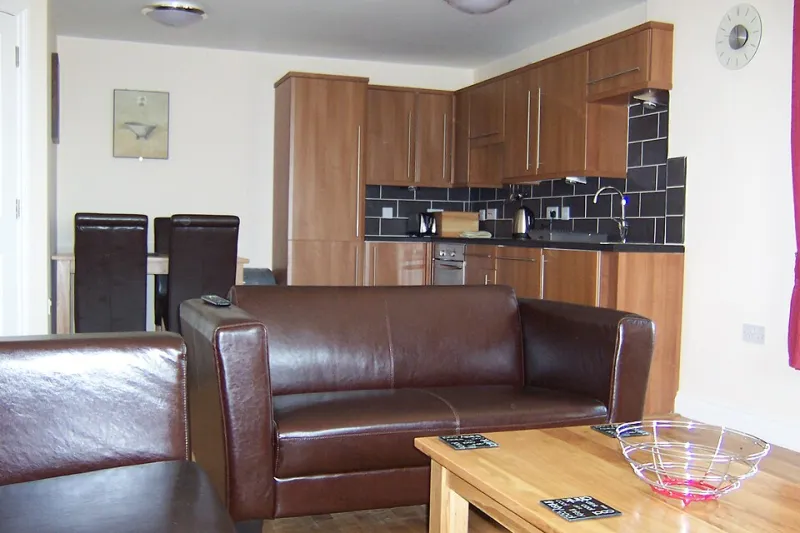
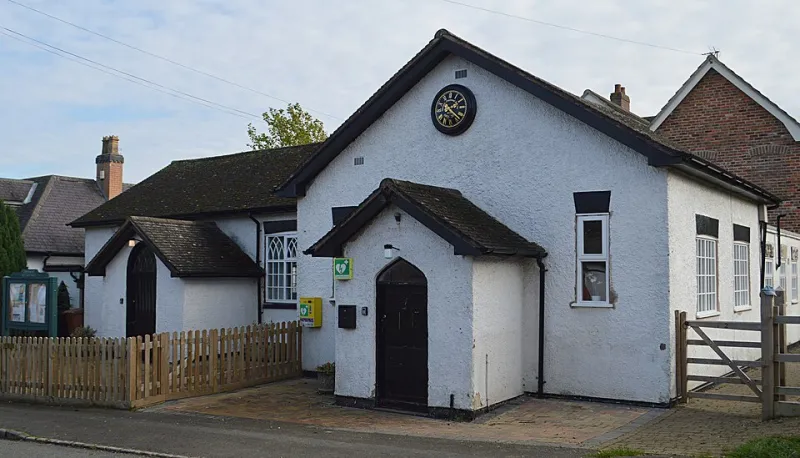
Photo: Rob-Jeanette Folwell, CC BY-SA 3.0, via Wikimedia Commons
There is a particular sound a holiday cottage makes when you arrive after dark: the boiler ticking, a door that does not quite shut, and a corkscrew rattling somewhere in a drawer. You open the cupboard above the kettle and find three mismatched mugs, a tin of Quality Street and no wine rack. This is not a problem. It is the brief.
A self-catering weekend asks your wine to earn its keep. It has to travel in the boot, survive a borrowed kitchen and turn up at dinner without a decanter, a sommelier or a proper glass. Zinfandel is well suited to the job: generous, food-friendly and sturdy enough to handle a farm-shop supper. The trick is to pack as if you are provisioning a small, cheerful expedition, not restocking a cellar.
Pack the boot, not the cellar
For a two-night break, three bottles for two people is a sensible starting point: one reliable red for the first night, one curious bottle for the middle, and one better bottle for the last. The spare is not pessimism; it is hospitality. If friends drop by, or the weather turns and dinner becomes a longer affair, you will be glad of it.
Choose bottles that can take a bit of movement. Zinfandel with a screwcap is a quiet blessing in a holiday let, but cork-finished bottles are fine if you wrap them individually in a tea towel or a jumper and stand them upright in a crate or cool bag. Do not let them roll around the boot for three hours. And do not leave them in the car overnight if the forecast is frosty; a frozen bottle is a sad thing, and a thawed one is sadder.
A word on weight: you are not moving a cellar. Two sturdy bottles and one special one will do more for the weekend than six bottles you feel obliged to open. The point is not to drink everything. The point is to have the right bottle when the moment arrives.
The kitchen is borrowed, not yours
Holiday-let kitchens are built for toast and tea, not tasting menus. That is part of the charm. It also means you need to be flexible. If there is no decanter, use a clean jug. Rinse it first, pour the zinfandel in slowly and give it twenty minutes while you find the bottle opener, the salt and a decent knife. A jug is not elegant, but it is effective, and nobody at a cottage table has ever complained about a wine being too open.
Serving temperature matters more than glass shape. A bold red at 20°C, next to a hot oven, tastes flatter and boozier than it should. Aim for about 15–17°C. A cool porch, an unheated utility room or a windowsill away from the sun will do the job. If the cottage has an Aga or a wood-burner, keep the bottles well away from both. In November, a cold back bedroom is often the best wine store in the house.
As for glasses, use what is there. A straight-sided tumbler gives the wine room to breathe and is far better than a tiny sherry glass. Rinse it with hot water if it smells of cupboard. If the corkscrew is missing, ask the owner before you reach for a knife; most holiday lets have one hiding in a drawer, a shed or a jar of odds and ends. A borrowed corkscrew is part of the weekend's texture. A broken one is not.
Let the farm shop set the menu
One of the pleasures of a cottage break is the excuse to shop badly and eat well. A farm shop on the way in can supply most of a zinfandel-friendly weekend: a wedge of mature cheddar, a pork and apple pie, some dark mushrooms, a bag of cavolo nero, a jar of piccalilli and perhaps a lamb shoulder if you are feeling ambitious.
Zinfandel likes fat, salt and a bit of acid. It gets on well with roast lamb, sausages, mushroom suet pudding, beetroot and sharp cheese. It is less happy with delicate white fish or a very light salad, which is fine; this is not the weekend for either. A farm-shop quiche with caramelised onion and a spoonful of chutney is a perfectly good first-night supper, especially after a long drive. The wine will bring the pepper and bramble notes; the food brings the butter and salt.
If you are cooking in a strange oven with one blunt knife and a pan that sticks, keep it simple. A tray of sausages, apples and onions roasted until sticky is the sort of dinner that makes a borrowed kitchen feel like your own. Open the reliable zinfandel, pour it into tumblers and stop worrying about the missing wine rack.
Save the best for the last night
The last night of a cottage weekend has a particular mood. The walk has been done, the boots are drying by the door, and nobody wants to start anything complicated. This is the night for the better bottle you brought. Choose something with a little age or a bit more depth than the everyday red, open it early and give it a jug or a wide glass. Drink it with the leftover cheese, a slow-cooked lamb shoulder or a simple mushroom bake.
Saving the best bottle is not about ritual. It is about giving the weekend a proper ending. The first night is arrival, the middle night is adventure, and the last night is the one you remember on the drive home. Do not save the good bottle for a mythical future cottage with a wine fridge and a view. Open it now, while the borrowed corkscrew is still on the table and the heating is making that ticking sound.