The Barrel Behind the Bottle: Oak, Zinfandel and the Sunday Pot
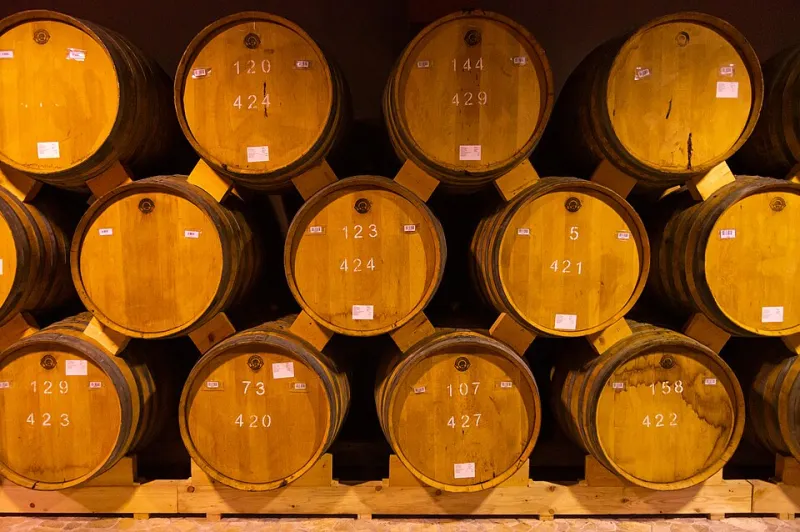
Photo: Vyacheslav Argenberg, CC BY 4.0, via Wikimedia Commons
Oak is one of those words that gets used like a compliment on a wine label, as if more must be better. In a bold red, though, it is closer to seasoning than sauce: a pinch of smoke, a little sweetness, a frame for tannin. Get it right and zinfandel feels broad-shouldered but tidy; overdo it and the wine turns into a vanilla milkshake with a hangover. The useful question is not ‘is it oaked?’ but ‘what is the oak doing?’ A Sunday beef stew is a good place to find out.
What the barrel is actually up to
Forget the idea that oak is a flavour you add like vanilla extract. A barrel is a slow, living container. It lets a tiny amount of oxygen in, which softens tannin and helps a wine knit together. It also concentrates the wine slightly through evaporation, and it can add aromatic compounds from the wood itself: vanilla, coconut, clove, cedar, smoke, coffee, dill. Some of those notes come from the wood species, some from how the barrel was seasoned and toasted, and some from how new the barrel is.
A new barrel is a seasoning. An old barrel is a room. That is the simplest way to hold it in your head. A brand-new American oak barrel can stamp a bold red with sweet spice and coconut. A neutral barrel, or a large old foudre, mostly gives texture and oxygen while letting the grape speak. Neither is automatically better. It depends on whether the winemaker wants the barrel as a garnish or as a frame.
American, French and the coconut question
American oak is often the obvious one in zinfandel. It tends to give more overt sweetness: vanilla, coconut, sometimes a dill-like note, and a plush feel that can flatter ripe fruit. French oak is usually tighter-grained and more restrained. It can add spice, cedar and a savoury edge without shouting about dessert. Neither is a rule. A winemaker can use American oak lightly, or French oak heavily, or blend the two. Eastern European oak turns up too, often bringing a quieter spice line.
If you taste coconut and sweet vanilla in a bold red, suspect American oak. If the wine feels more savoury, with pepper, bay and a firmer grip, French oak or older wood is a fair guess. Treat it as a clue, not a court verdict. Yeast, grape ripeness and alcohol all muddy the evidence.
Toast: light, medium, heavy
Toast levels are the barrel equivalent of turning up the heat. Light toast preserves more of the wood’s raw character and can leave a firmer, drier tannin edge. Medium toast is the comfortable middle: caramel, sweet spice, a little smoke. Heavy toast or char gives coffee, dark chocolate and smoke, and can make a wine taste drier and more savoury. It can also mask fruit. A heavily toasted barrel on an already jammy, high-alcohol zinfandel is how you end up with something that tastes like a campfire milkshake.
This is why ‘oaked’ on its own tells you almost nothing. A wine aged in old, large barrels is still technically oaked, but it may show none of the vanilla everyone is looking for. A wine with oak staves or chips can show plenty of vanilla without any of the slow oxygen that makes a barrel-aged red feel put together. Both approaches exist; they simply produce different wines.
Reading the label in a UK shop
On a UK shelf, look for the words that actually narrow things down. ‘American oak’ is a useful hint towards a sweeter, more generous style. ‘French oak’ suggests a tighter hand, though not always. ‘Neutral oak’, ‘old oak’, ‘large format’ or ‘foudre’ usually means the barrel is there for texture rather than flavour. ‘Barrel-aged’ is vague: it could mean three months in old wood or two years in new. ‘Old vine’ tells you nothing about oak, and ‘barrel-fermented’ is more common on whites than on zinfandel.
Alcohol is another clue. A 15.5% zinfandel with a vanilla-and-coconut nose is probably aiming for the broad, sweet-spice style. If you want pepper and grip, look for a more moderate alcohol level and language like ‘aged in neutral oak’ or ‘old French oak’. In an independent wine shop, ask what the oak is doing rather than how long the wine spent in it. ‘How much new wood?’ is a better question than ‘was it oaked?’
Price is not a reliable guide, but very cheap bold reds sometimes lean hard on oak chips or staves. They can smell sweet and sawdusty, with the fruit buried underneath. That is not a moral failing; it is just a different drink. For a Sunday pot, you want enough structure to stand up to gravy and beef, but not so much vanilla that the stew tastes like pudding.
The Sunday-pot tasting
This is a simple at-home comparison. Buy three zinfandels or bold reds in the same price band if you can: one with obvious American oak, one with restrained French or old oak, and one aged in neutral or large old wood. You do not need tasting sheets. You need a pot of beef stew and three glasses.
For the stew, brown beef shin in batches, then soften onions, carrots and celery. Add thyme, bay, a spoon of tomato purée, stock and a dark ale. Put the lid on and cook it low for three hours until the beef gives up. Serve with mustard mash or dumplings. Keep the seasoning gentle at first; you want the wine to have something to push against, not a salt bomb.
Taste each wine on its own. The American-oak bottle may smell sweet and broad, with coconut and vanilla. The French-oak one should feel firmer, with pepper and a savoury line. The neutral one may seem simpler at first, but it should taste most clearly of the grape.
Then taste each with the stew. This is where oak shows its manners. The American-oak wine often softens further and tastes sweeter against the gravy; it can be delicious if you want a plush, crowd-pleasing match, but it can also swamp the beef. The French-oak bottle often makes the meat taste meatier and the gravy more savoury. The neutral wine lets the stew do the talking and keeps the fruit in view. None is wrong. The point is to notice which one you reach for after the second mouthful.
The takeaway
Oak is a tool, not a badge. For a slow-cooked Sunday pot, decide whether you want the barrel as a frame or a garnish. If you want pepper, firmness and a savoury edge, look for old oak, large barrels or a restrained French-oak influence. If you want a broad, sweet-spice red for a crowd, American oak can be the whole point. Just do not let the barrel drown the grape. The best oaked zinfandel is the one where you notice the wine first and the wood second.